
Last updated November 21, 2026
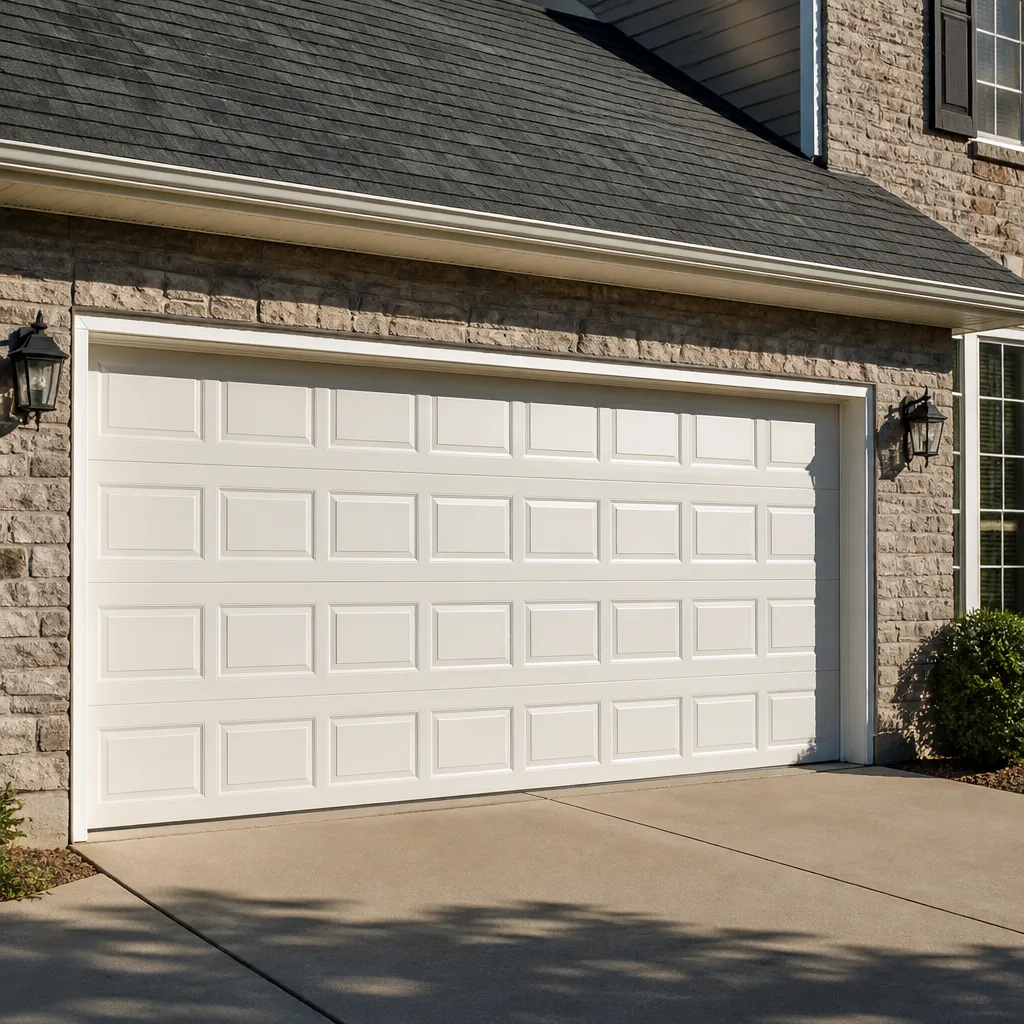 Raised-panel steel
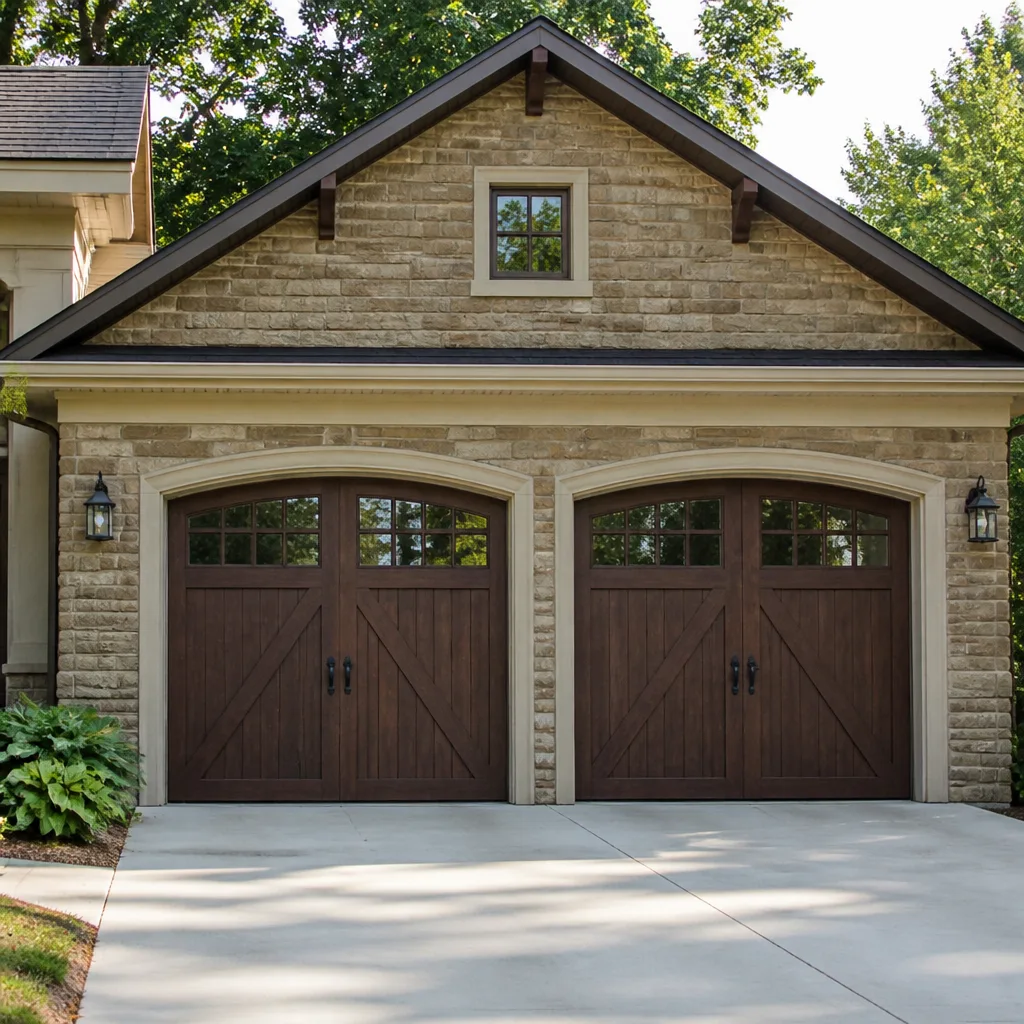 Carriage house
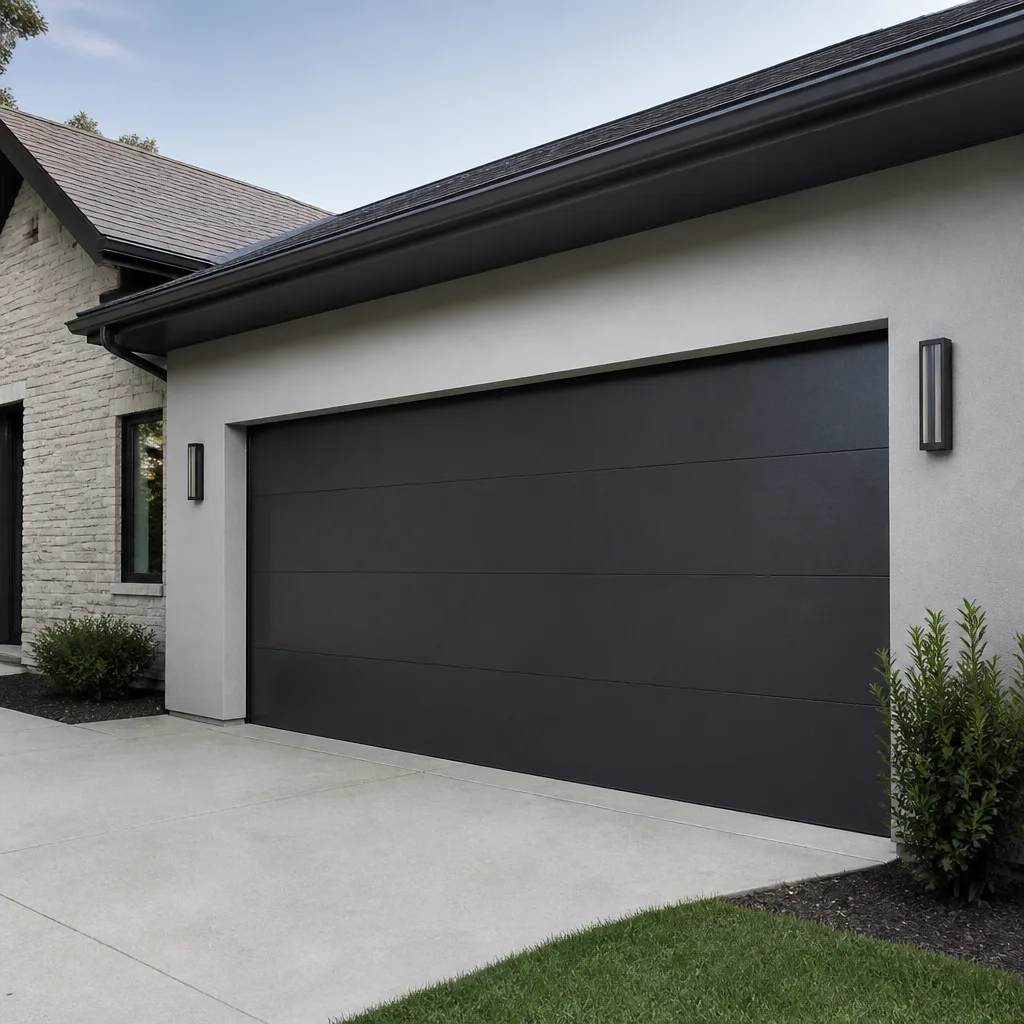 Modern flush
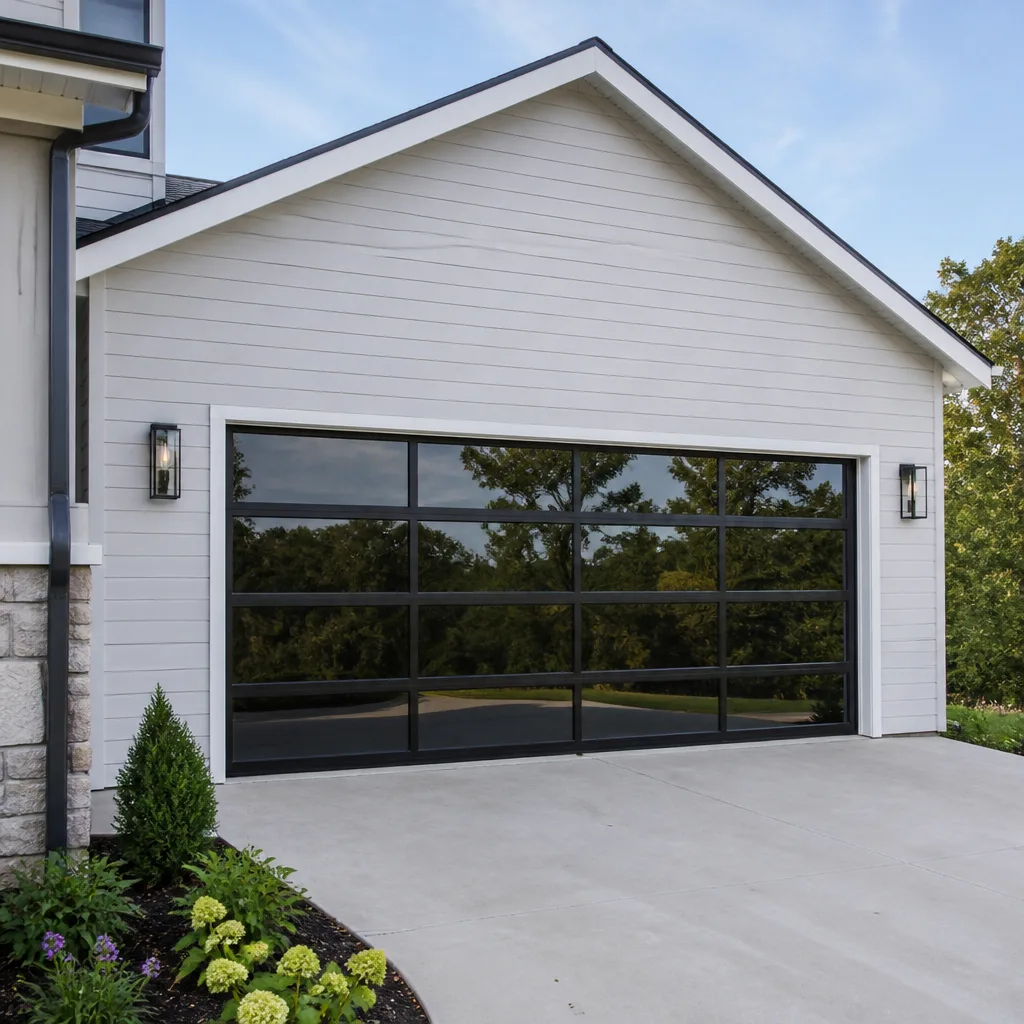 Full-view glass
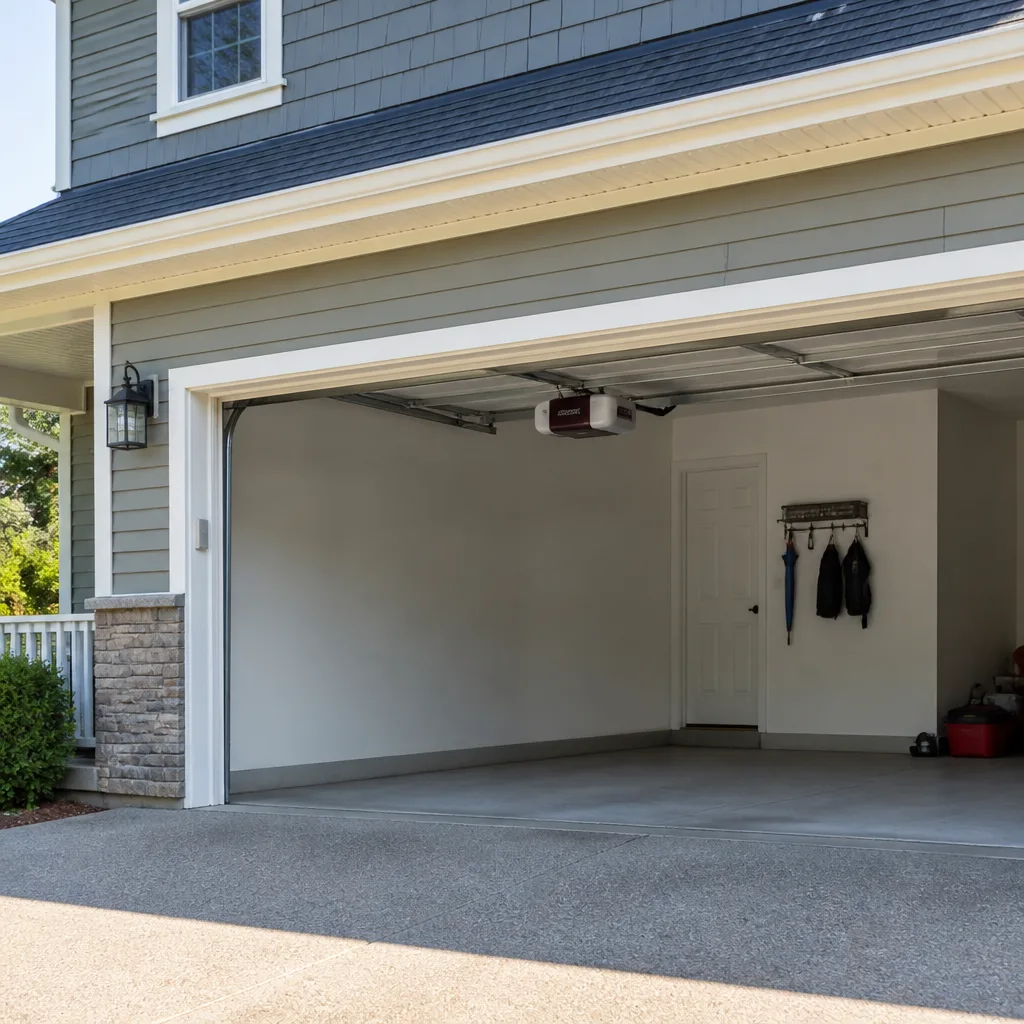 LiftMaster openers
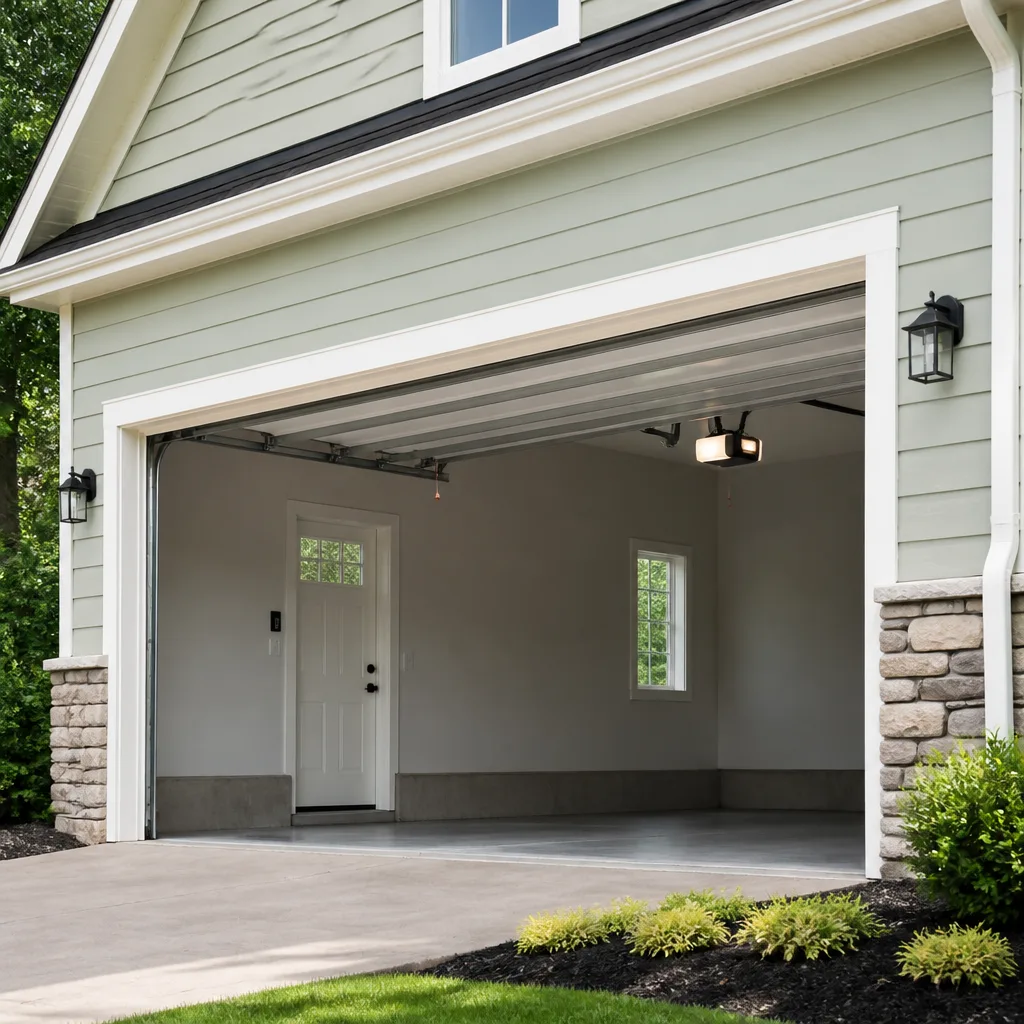 Chamberlain openers
Full 25-point door and opener safety check with every visit - springs, cables, rollers, tracks, and your LiftMaster or Chamberlain opener included
You get a price before we start. It does not change when the pro arrives.
Get your free estimateGarage Door Warning Signs: A Tacony Homeowner’s Reference Guide
A garage door doesn’t snap, grind, or drop without warning. It announces what’s coming weeks in advance, through sounds most homeowners chalk up to “it’s just old” until the door won’t open at 7 AM on a workday. The grinding you’ve been ignoring, the door that hangs a little crooked, the bottom seal that’s started to leave a gap of daylight: each one is a readable signal pointing to a specific part under a specific amount of strain. In this reference guide we’ll walk through the sounds, movements, and visual cues that predict what’s about to fail, how to read the five-second balance test correctly, and which warnings mean schedule a visit versus stop using the door. We’ve spent years working on doors across Tacony, and the pattern is always the same: the homeowner who reads the signs books a repair. The one who doesn’t books an emergency.
Quick Answer
The most serious garage door warning signs in Tacony are a door that slams shut instead of lowering smoothly, visible fraying on a lift cable, a broken spring with a clear gap in it, and a door that comes off its tracks. Any of those four means stop using the door and call a technician. Grinding, scraping, popping, uneven travel, and a door that reverses on its own are warning signs you can note and schedule a repair before they turn into a failure. Our technicians have up to 10 years of experience, and the two most common things we hear are “it was making that noise for weeks” and “I didn’t think it was serious.”
Styles & brands we work with
- Raised-panel steel
- Carriage house
- Modern flush
- Full-view glass
- LiftMaster openers
- Chamberlain openers
Table of Contents
- Reading the Sounds: Grinding, Scraping, Popping, and Rattling
- What Uneven Travel and Door Bounce Tell You
- The 5-Second Balance Test
- Visual Inspection: Seals, Cables, and Rust Patterns
- Urgency Tiers: When to Schedule and When to Stop
- Why Tacony Doors Wear the Way They Do
- Common Mistakes to Avoid
- When to Call a Professional
Reading the Sounds: Grinding, Scraping, Popping, and Rattling
Sound is the earliest warning a garage door gives you, and the type of sound narrows down the culprit faster than almost anything else. A door that grinds, scrapes, pops, or rattles is telling you which system is struggling. Here’s how to tell them apart.
Grinding
Grinding is a harsh, continuous metal-on-metal sound that usually comes from the opener’s drive system or the rollers in the track. On a chain-drive opener, a dry or worn chain will grind. On any opener, worn steel rollers will grind as they roll through the curved section of the track near the ceiling. If the grinding only happens at the start or end of travel, suspect the opener’s internal gears. If it happens all the way up and down, suspect rollers or a dry track.
Scraping
Scraping sounds softer and often comes and goes with the door’s position. It usually points to a roller that’s popped out of the track, a door panel rubbing against the frame, or a bottom seal dragging on the concrete. A single scraping spot in the same place every cycle is almost always a track alignment or roller issue, and it’s one of the cheaper problems to catch early.
Popping
A pop is a sharp, sudden sound, often at the moment the door starts to move. Popping frequently traces to a torsion spring or a hinge under load, or to a cable that’s jumped its drum. A single pop followed by normal operation can be a hinge or a loose bolt. Repeated popping with any change in how the door moves deserves a professional look before you operate it again.
Rattling
Rattling is the most forgiving sound on this list. Loose hinge bolts, worn nylon rollers, or a door panel with a loose fastener will rattle. Rattling alone rarely means a dangerous failure is imminent, but left alone it accelerates wear on every joint it touches. In our experience, rattling is the warning sign homeowners are most likely to live with for months.
What Uneven Travel and Door Bounce Tell You
A garage door that moves crooked, slows down, or bounces at the bottom is showing you a balance problem, a track problem, or an opener problem, and each one needs a different fix. The way the door travels is the second diagnostic layer after sound, and it’s often the one people ignore until the door stops moving altogether.
Uneven travel
If one side of the door rises higher than the other, the door is binding. The most common cause is a track out of plumb on one side, sometimes from a bump to the door or a wall that’s shifted. Less often, it’s a torsion spring that’s lost tension and is no longer lifting the door evenly. A door that travels crooked will wear its rollers and hinges on the tight side first, so what starts as a visual annoyance becomes a parts replacement.
Slow closing or a sluggish start
When the door moves slower than it used to, the opener is working harder than it should. On a spring-balanced door, the springs carry the weight and the opener only guides the movement. When springs weaken, the opener picks up the load and can’t, so the door slows, strains, or reverses. On a Genie or LiftMaster opener, the motor may simply be reaching the end of its life, and the slower movement is the first sign.
Door bounce
A door that bounces at the bottom instead of meeting the floor and stopping is a balance or limit-setting issue. If the door bounces back up on the same spot every time, the opener’s travel limits need adjustment. If it bounces and the door jerks or shudders, the springs are likely out of balance or a roller is catching. Bounce is also the symptom that most often triggers a safety reverse, which is why a bouncing door and a door that reverses on its own often show up together.
The 5-Second Balance Test
The 5-second balance test tells you whether your springs are still carrying their share of the door’s weight, and you can do it without tools. The result is a read on spring tension, which is the most safety-critical part of your door. Do the test with the door closed and the opener disconnected.
- Disconnect the opener. Pull the release cord to disengage the door from the opener. Check that the door is closed and nothing is underneath it.
- Release the door and let it hang. Lift the door with both hands about halfway up, then let go. Don’t force it, let gravity and the springs do the work.
- Watch for movement. A well-balanced door hangs at the halfway point and stays there. If it drops or rises on its own, the springs are out of balance, worn, or one side is carrying more tension than the other.
- Try the halfway rule at other heights. Lift the door a quarter of the way up, let go, and repeat at three-quarters. A door that drifts at any height is telling you the springs need adjusting or replacing.
- Reconect the opener only if the door hangs still. If the door swings on its own, leave the opener disconnected and call a technician.
Don’t test springs by hand on a door you haven’t worked on before. A torsion spring under load can cause serious injury if it’s released or adjusted incorrectly, and this is not a component to experiment with. Treat the balance test as an observation, not a repair. If the door hangs unevenly, our specialty is garage door repair, and a spring that’s out of balance is one of the problems we fix most often.
Visual Inspection: Seals, Cables, and Rust Patterns
The visual walk-around is the cheapest diagnostic you have, and most of the failure signs are visible from the driveway. Give your door a slow look from bottom to top once a season, and again after any hard storm or a bump to the door.
Weatherstripping and bottom seal
The bottom seal is the rubber or vinyl strip along the bottom edge of the door. When it’s cracked, flattened, or pulling away, daylight shows through under a closed door, and the seal stops doing its job. In Tacony, a stiff, failing bottom seal lets in cold air, moisture, and pests, and on Clopay and Amarr doors we see the seal perimeter as the first thing to wear. Look for a seal that’s torn, missing sections, or so compressed it no longer touches the floor.
Cable fraying
The lift cables on your door are under tremendous tension, and a fraying cable is a genuine safety issue. Inspect both cables along their length, especially where they run over the drums above the door. Look for broken strands, kinks, or a cable that’s loose where it should be taut. If you see fraying, stop using the door.
Rust patterns
Rust is a slow warning. Hinges, rollers, and the bottom of steel panels rust first, and consistent rust at the same spot on each hinge tells you moisture is getting trapped there. A door with surface rust on the bottom panel is a door whose seal has been leaking for a while. Light surface rust can be cleaned and treated; rust on the tracks or the springs calls for a technician.
Panel and hardware check
Look for dents, panels that are out of line with their neighbors, and hardware that’s loose, bent, or stripped. A single bent hinge is easy to replace; a row of loose hinges means the door has been out of balance for a while, and the hinge wear is a symptom rather than the cause.
Urgency Tiers: When to Schedule and When to Stop
Not every warning sign is an emergency, and treating them all the same is how homeowners either panic unnecessarily or ignore the one that matters. Split your observations into three tiers.
Tier 1: Schedule a visit this week
- Rattling, grinding, or scraping that’s consistent
- Uneven travel or a crooked-looking door
- Slow closing or a sluggish start
- Bottom seal wear and daylight gaps
- Light surface rust and loose hinges
These are safe to note and book in. Don’t wait months, but you don’t need to stop using the door.
Tier 2: Schedule a visit now and use the door sparingly
- A balance test that shows the door swinging on its own
- Popping that repeats with every cycle
- A door reversing on its own or failing the safety reverse test
- A cable with a kink or loose wind
These point to a spring or opener issue that will eventually leave the door stuck. Get them looked at and keep the door cycles to a minimum.
Tier 3: Stop using the door immediately
- A broken torsion spring with a clear gap in it
- A visibly frayed or snapped lift cable
- A door that’s come off its tracks or hangs crooked
- The door falling or slamming rather than lowering
These are the signs that put people at risk and leave a home unsecured. Don’t run the opener on a door in this state. Call a technician and we’ll get you back in working order today. If the door won’t move at all, our dedicated emergency response is there for exactly this situation.
Why Tacony Doors Wear the Way They Do
Tacony’s housing is a mix of older rowhomes and detached homes with garages that have seen plenty of seasons, and the climate puts specific stress on a door. Philadelphia’s humid summers and freezing winters put any rubber component through a wide temperature swing. Bottom seals stiffen in the cold and crack in the heat. Steel panels on older doors rust where moisture sits, and the bottom edge of a rowhome garage facing the alley catches more runoff than a detached garage does.
Alongside the weather, the architecture matters. Narrow garages and tight clearances on many Tacony properties mean a door that’s even slightly out of track has nowhere to travel before it binds. That makes uneven travel and scraping sound more urgent here than on a wide, open garage. Older doors also tend to have older openers, and an opener on its last legs paired with original panels and hinges is a setup where a single worn part starts a chain reaction.
That’s why we work across the brands you’ll actually find on these doors: LiftMaster, Chamberlain, Genie, Clopay, Amarr, Wayne Dalton, Craftsman, and Raynor. A Wayne Dalton door with a Genie opener and years of wear isn’t a problem we need to hand off. Your brand, our expertise.
Common Mistakes to Avoid
We’ve watched these mistakes turn a scheduled repair into an emergency call more times than we’d like. Most of them come from good intentions, and all of them are avoidable once you know what to look for.
- Waiting for the door to stop working. The warning signs exist because the part is failing gradually, and a part caught early is cheaper to fix than the same part plus the damage it caused. A door that’s grinding for a month before it fails is a month of avoidable wear.
- Assuming a loud noise means an old door. Owners chalk noise up to age and leave it, when the actual cause is usually a worn roller, a dry track, or loose hardware. The door isn’t old, the parts are worn, and they’re replaceable.
- Lubricating the springs. Lubricant on the springs themselves is a good way to attract grit and produce slipping that hides a balance problem. Lubricate hinges, rollers, and the track. Springs are a professional’s job.
- Testing the balance with the door connected to the opener. A proper test needs the door released from the opener, or the opener hides the true balance of the door. Testing it while connected gives you a false all-clear.
- Pushing the opener through a slowdown. Adding force to the opener to compensate for a sluggish door masks the problem and accelerates damage to the opener’s gears. The slowdown is a message, not an obstacle.
- Ignoring the bottom seal because it’s small. In a Tacony winter and summer swing, a failing seal is the entry point for moisture and the start of rust at the bottom panel. It’s a cheap fix that prevents an expensive one.
- Trying to fix springs or cables yourself. These parts are under high tension, and an improperly released spring can cause serious injury. This is the one area where observation should stop and a trained technician should take over.
When to Call a Professional
Call for anything beyond a visual observation or a schedule-in reminder. If the door hangs unevenly when you release it, if a cable is visibly frayed, if a spring has a broken gap, if the door has come off its tracks, or if you’ve seen a Tier 3 sign at all, stop operating the door and call. Same-day service is available, and our technicians have up to 10 years of experience. For a worn track or a slow, aging opener, a professional check catches the cause before the door fails. Garage Door Repair Tacony offers free estimates in Tacony and a written price agreed before any work starts. Call (855) 707-5423.
See the difference
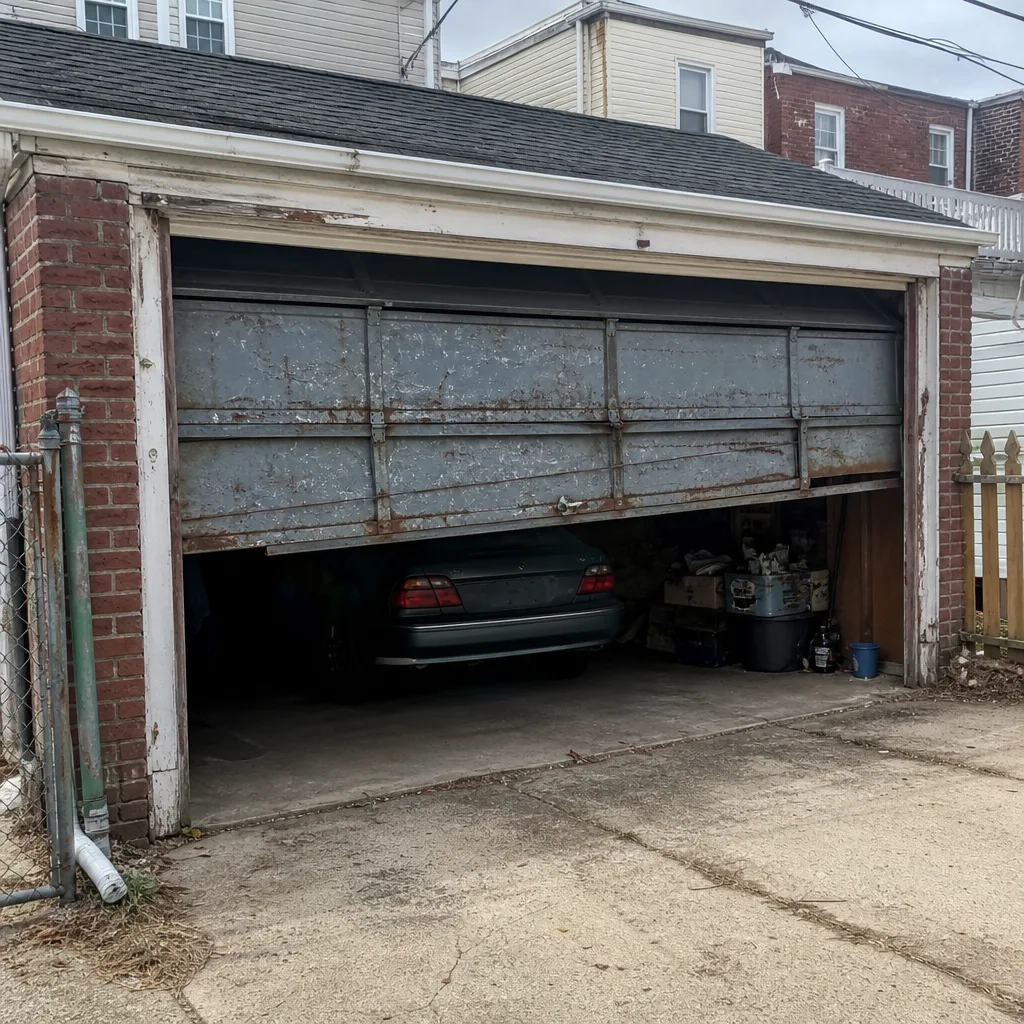 Before
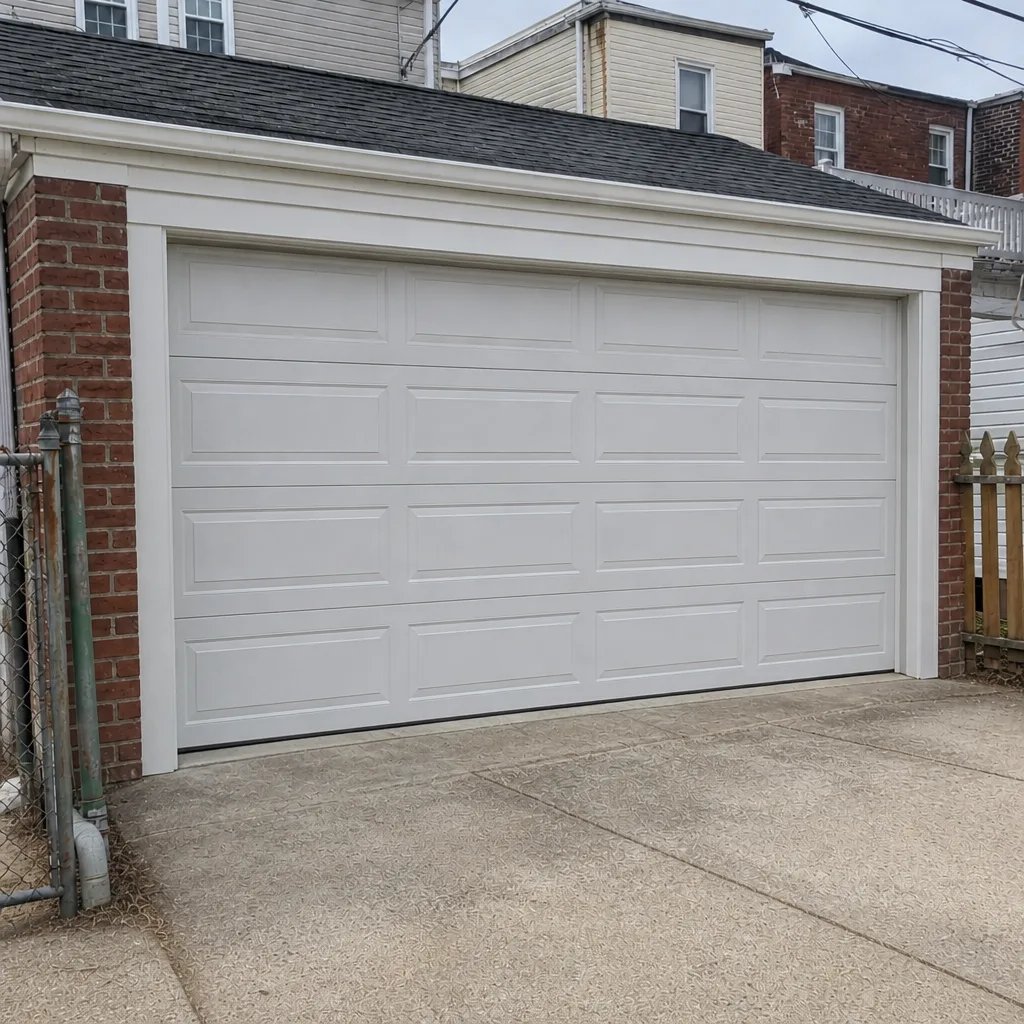 After
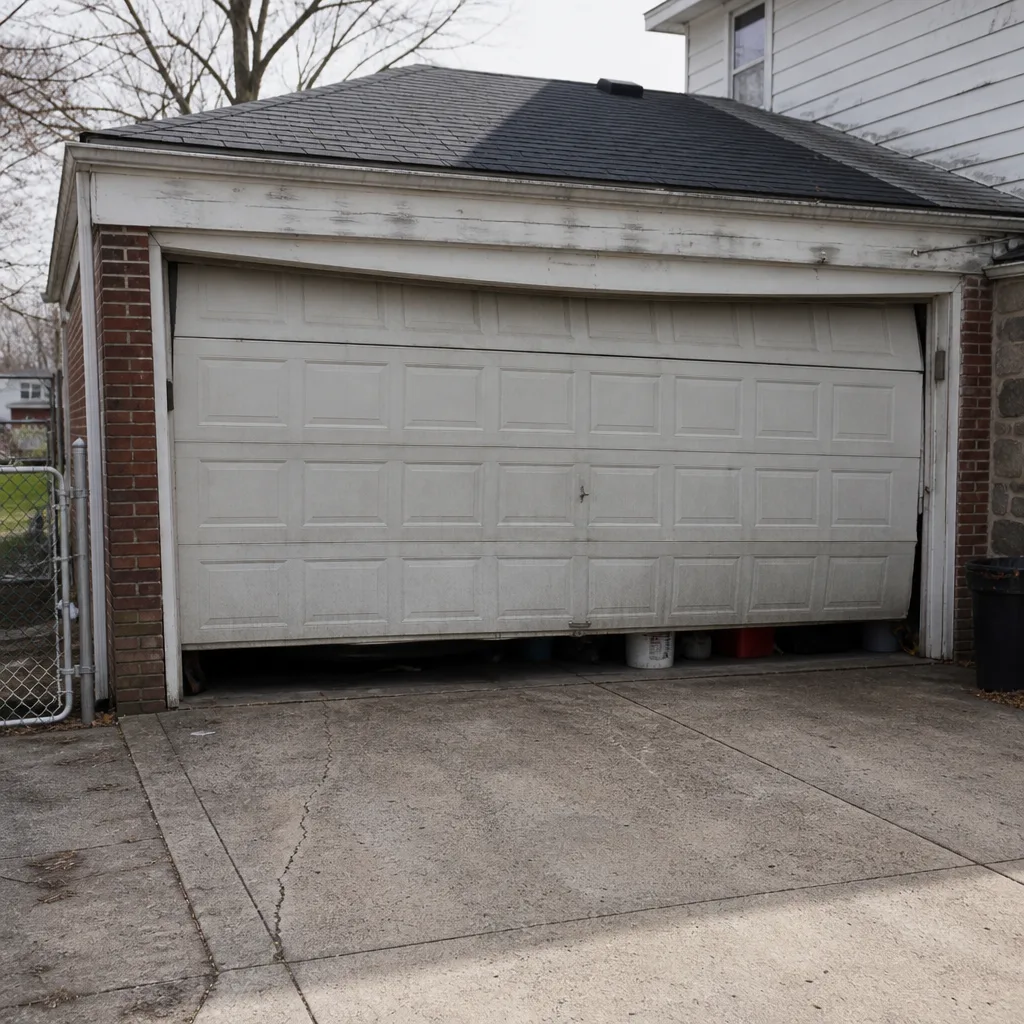 Before
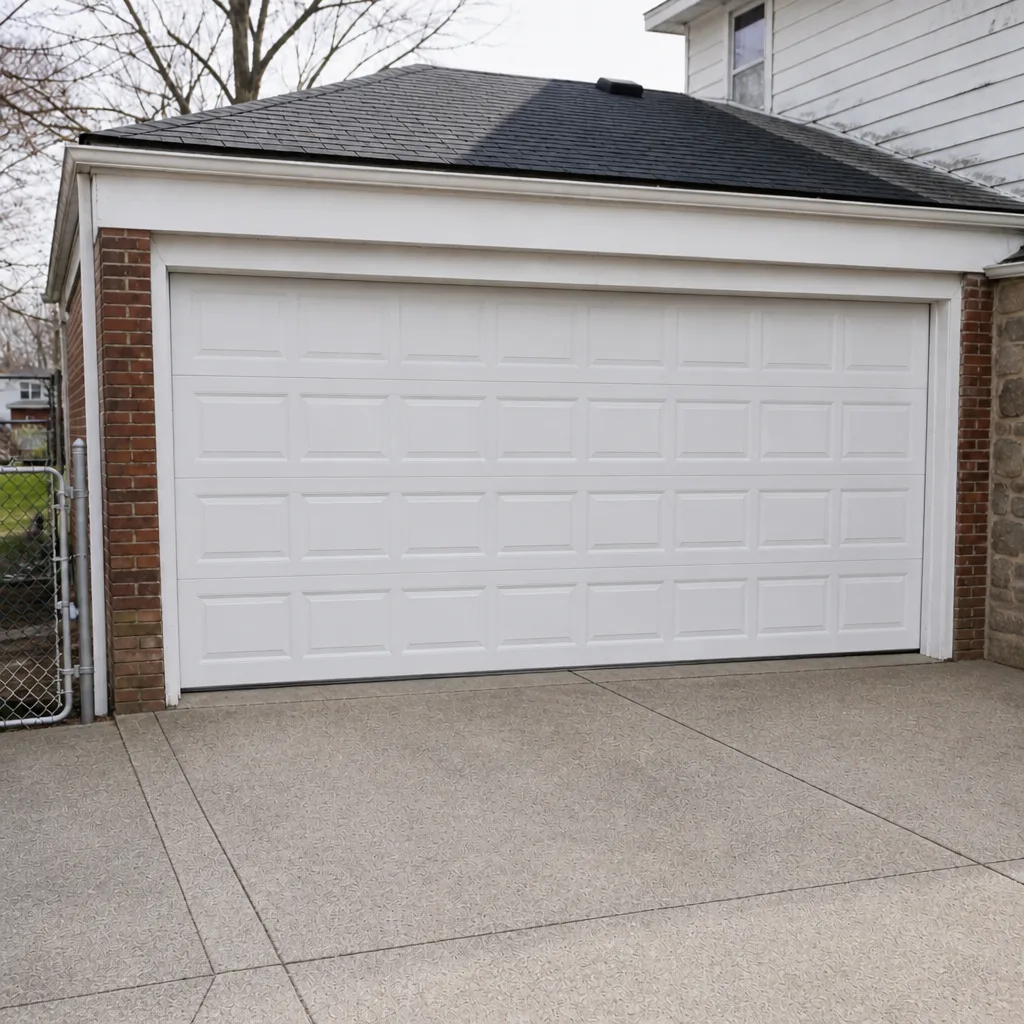 After
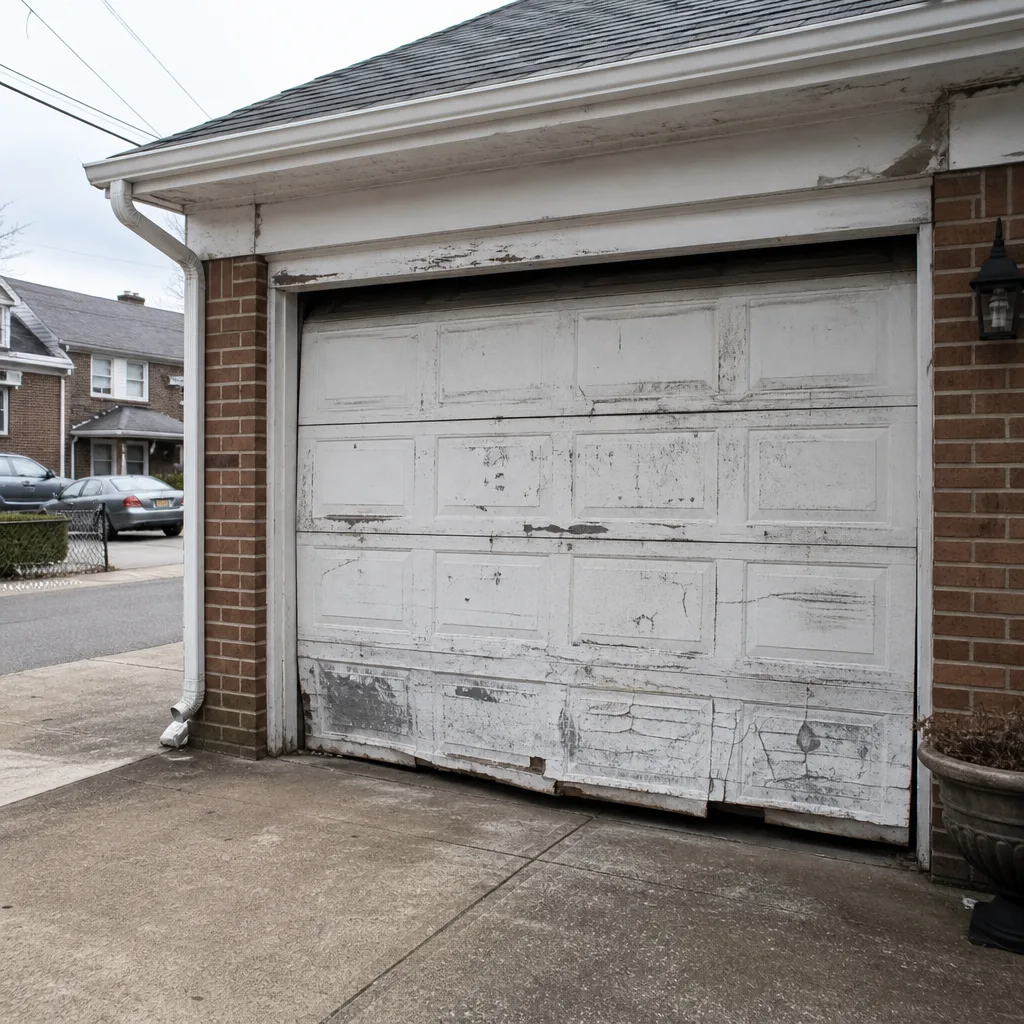 Before
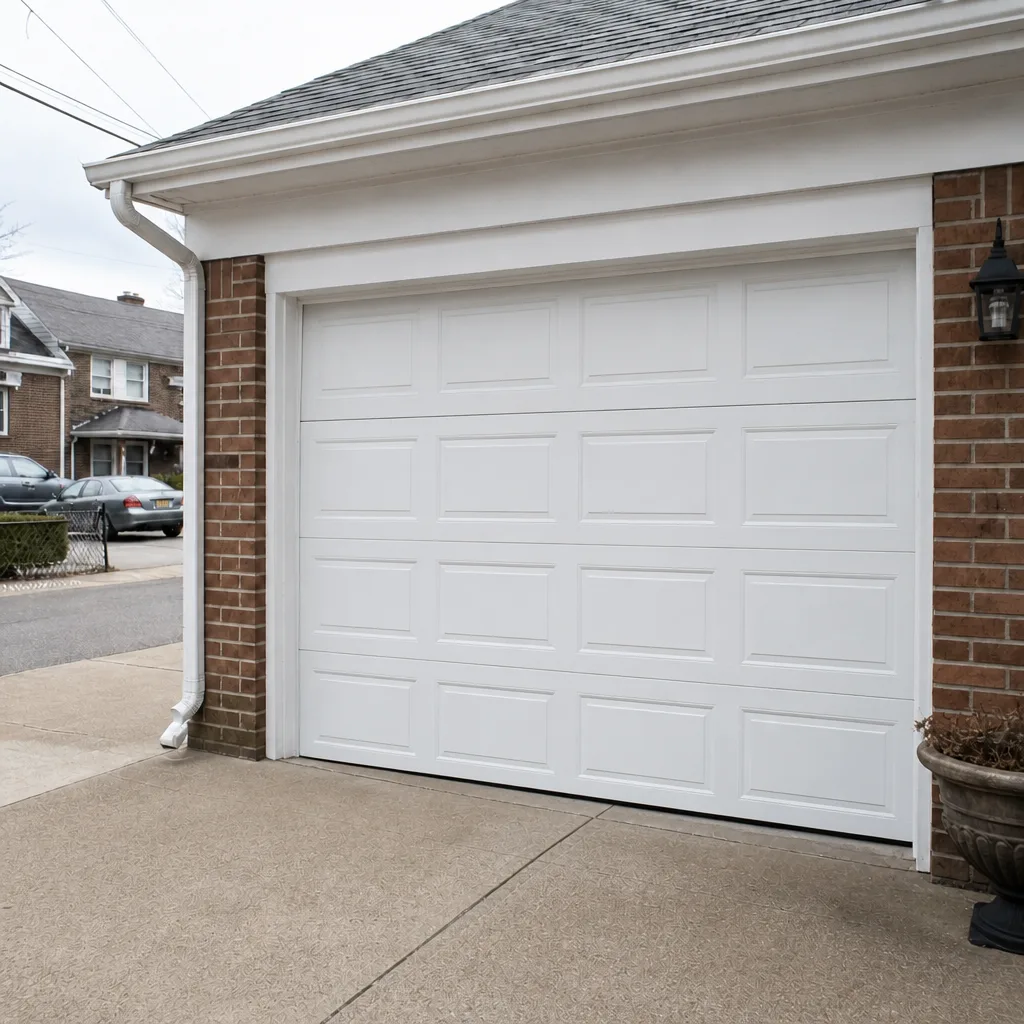 After
Frequently Asked Questions
The first sign is any change in sound, because a healthy door should run quietly. If your door starts grinding, scraping, popping, or rattling, note where in the cycle it happens and what it sounds like before calling, because that description points a technician straight at the likely part. A sudden change in sound is the earliest signal of a part under strain.
Yes, disconnecting the opener and releasing the door at the halfway point is safe to do as an observation. A door that hangs still is balanced; a door that swings on its own is not. Do not adjust springs yourself, because they’re under high tension and the balance test is meant to diagnose, not repair.
No, a broken torsion spring means stop using the door and call a technician. The door is no longer carrying its own weight, and running the opener puts the full load on a system that isn’t designed for it. The same rule applies to a snapped cable or a door off its tracks.
Repair pricing in Tacony is quoted per job by a written estimate, and the written estimate is what you pay. The exact number depends on the part and the door: a roller or hinge replacement, a spring repair, a cable repair, and an opener repair are each a different scope. Call (855) 707-5423 for an exact quote. Estimates are free.
Reversing on its own usually means the opener’s safety reverse is triggering, and the cause sits with the limit settings, the sensors, the springs, or an obstruction. A door that reverses at the same point every cycle is a common sign of a balance problem that a technician can confirm. Call (855) 707-5423 and we’ll diagnose it.
No, a repeating pop does not resolve itself because it comes from a part under load, and load doesn’t lessen. A single pop where the door then runs normally can be a loose bolt, but a pop with every cycle points to a hinge, spring, or cable that needs a professional look. Call before running the door again.
The Bottom Line
A garage door sends a clear warning trail before it fails, and that trail splits neatly into three layers: sound, movement, and the visual walk-around. Grinding, scraping, popping, and rattling each point to a different component. Uneven travel, slowness, and bounce reveal a balance or opener issue. The five-second balance test tells you whether your springs are still carrying their share. Seals, cable fraying, and rust show what weather and wear are doing to the hardware. Sort what you find into the three urgency tiers, and check the balance test with the door disconnected from the opener. Springs and cables are a professional’s job. When you’re ready, call (855) 707-5423. We answer 24/7. Fast dispatch from 7am to 7pm, Sunday through Friday. Same-day service, free estimates, and a written price agreed before work starts. Written by the team at Garage Door Repair Tacony.