
Last updated November 21, 2026
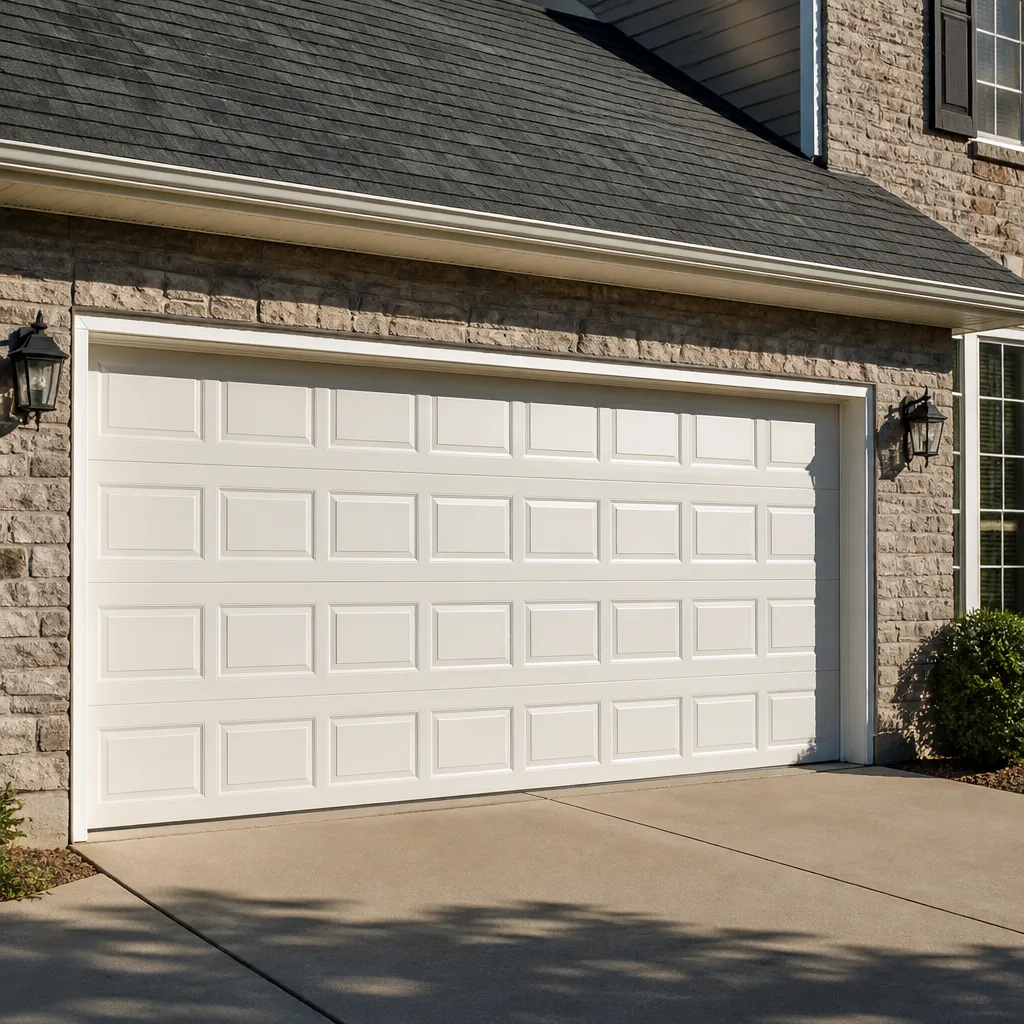 Raised-panel steel
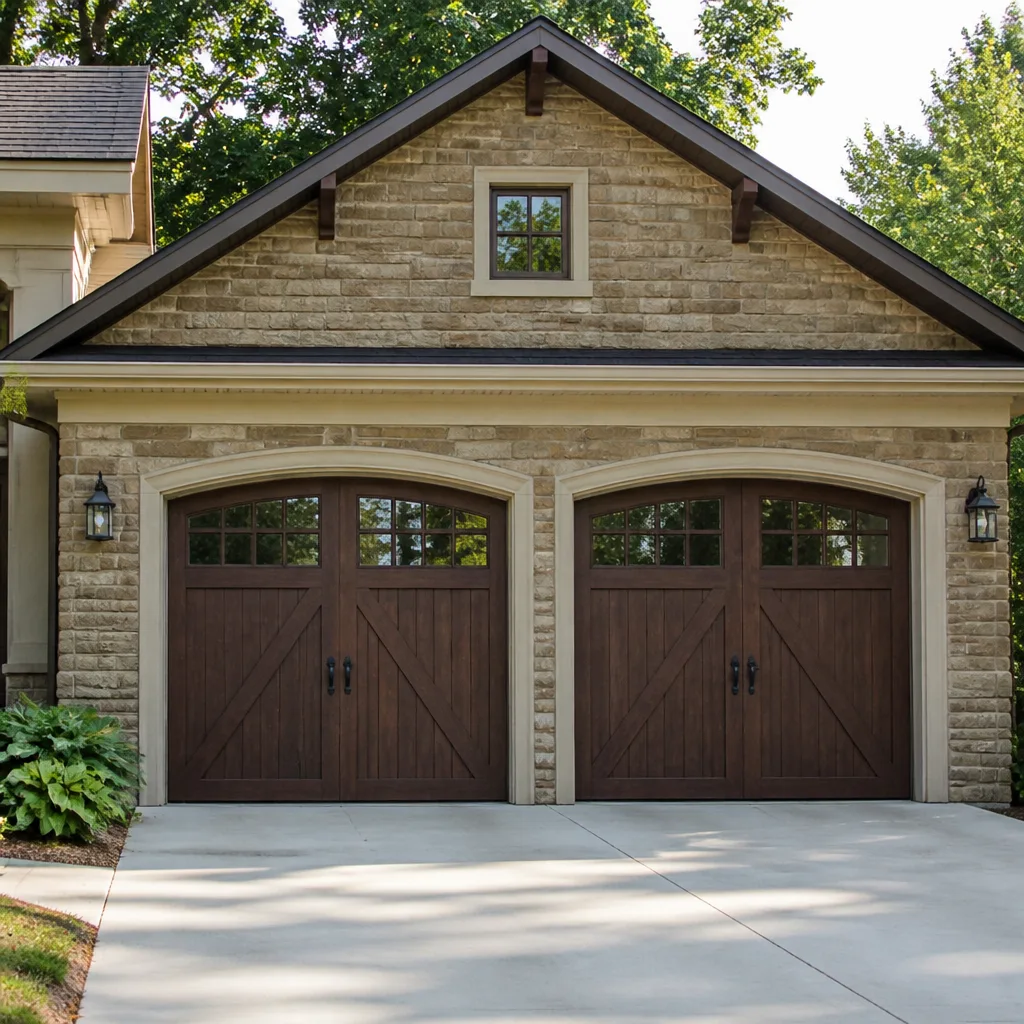 Carriage house
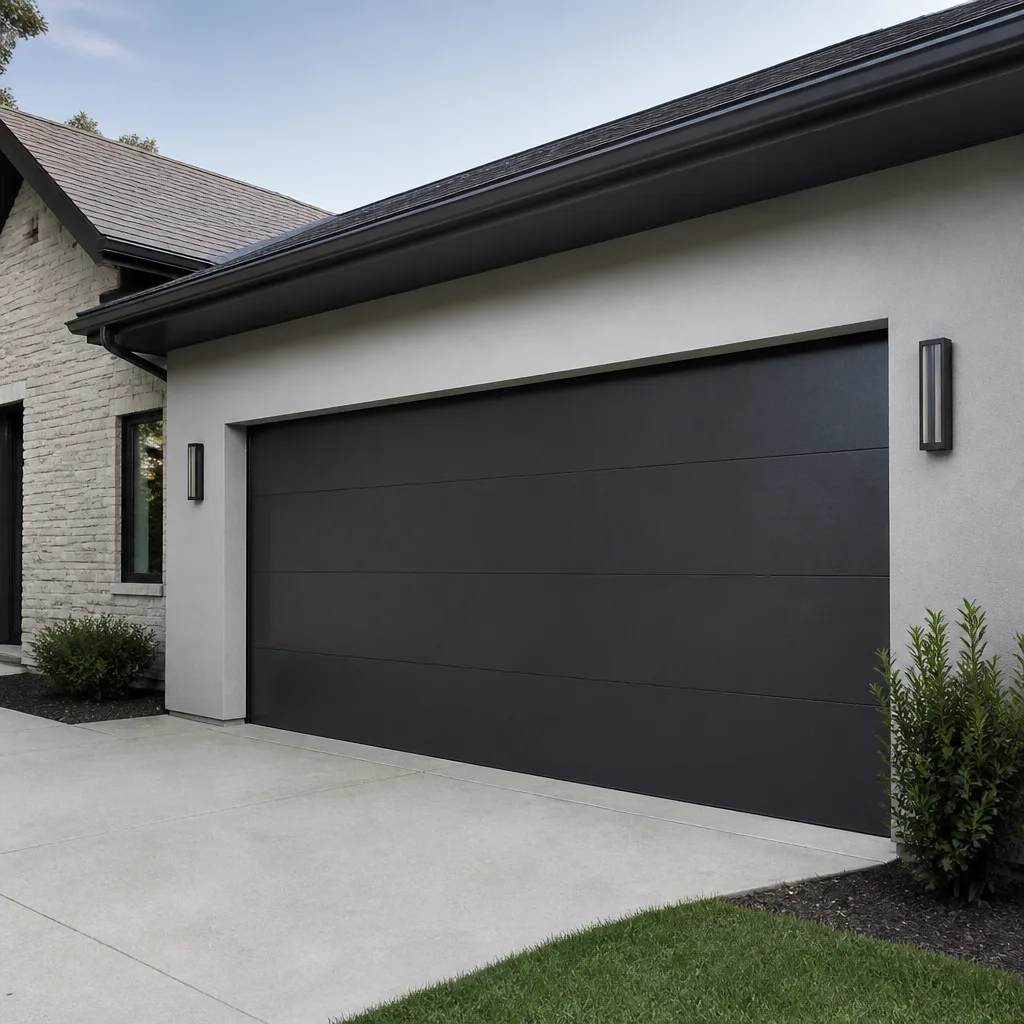 Modern flush
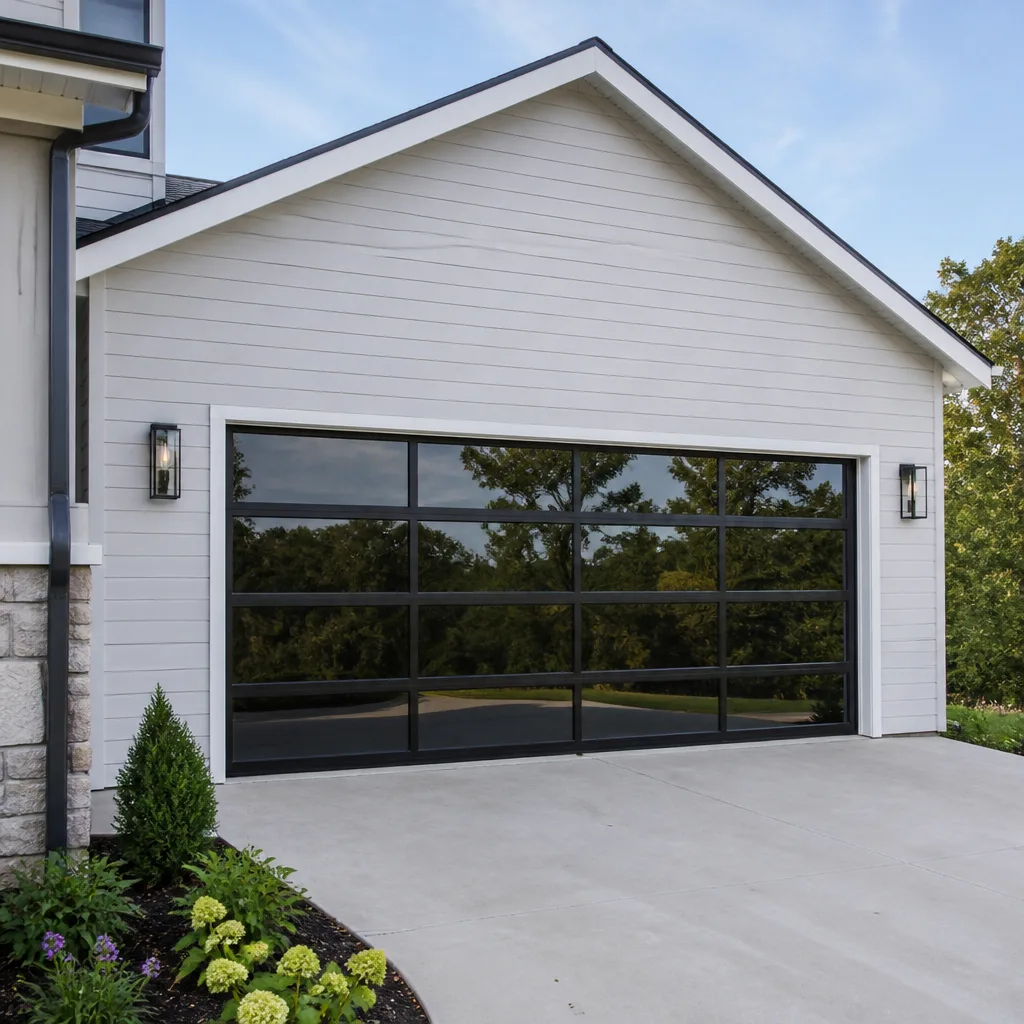 Full-view glass
 LiftMaster openers
 Chamberlain openers
Full 25-point door and opener safety check with every visit - springs, cables, rollers, tracks, and your LiftMaster or Chamberlain opener included
You get a price before we start. It does not change when the pro arrives.
Get your free estimateGarage Door Repair Maintenance Checklist for Tacony Homeowners
Lubricating the wrong part of a torsion spring system doesn’t maintain a garage door. It accelerates a failure. That’s the hard truth most maintenance checklists skate past: the difference between safe upkeep and dangerous interference comes down to knowing which components sit under tension and which don’t. A homeowner who sprays lubricant into an open spring coil or tries to adjust a winding cone is working on a loaded assembly that can release stored energy without warning. The components that are safe to touch are simple. The ones that aren’t can hurt you badly. This guide separates the two cleanly, explains the mechanical reason behind each task so it actually gets done, and walks through the inspection routine that catches problems in Tacony homes before they turn into a snapped spring or a door stuck open.
Quick Answer
A safe garage door maintenance routine for Tacony homeowners covers four things you can do yourself: a monthly 60-second visual and listening inspection, lubrication of hinges, rollers, and tracks (never the springs themselves), hardware tightness checks, and a proper auto-reverse and photo-eye sensor test. Everything that involves torsion or extension springs, cables, drums, bottom brackets, or the opener’s internal gearing belongs to a trained technician, because those parts hold stored energy that can cause serious injury when handled without the right tools and knowledge. A professional tune-up once a year handles the balance test, spring tension check, and the parts homeowners can’t safely reach.
Styles & brands we work with
- Raised-panel steel
- Carriage house
- Modern flush
- Full-view glass
- LiftMaster openers
- Chamberlain openers
Table of Contents
- The Owner vs. Technician Split: Who Does What
- Tacony’s Climate Stressors and How Often to Do Each Task
- The 60-Second Monthly Inspection That Catches Most Problems
- The Safe Owner Maintenance Tasks, Step by Step
- How to Test Auto-Reverse and Photo-Eye Sensors Correctly
- Why Brand and Model Matter for Maintenance
- Building a Maintenance Log That Helps When You Call
- Seasonal Timing for Philadelphia Garage Doors
The Owner vs. Technician Split: Who Does What
The single most useful distinction in garage door maintenance is whether a component is load-bearing. A torsion spring, wound tight against the door’s weight, stores enough energy that releasing it improperly can break fingers, arms, or worse. An extension spring under the ceiling carries the same risk. Cables, drums, and bottom brackets are all attached to that same stored-energy chain. Those are the technician’s domain, full stop.
The rest of the door is genuinely homeowner territory. Rollers, hinges, tracks, weather seals, and the exterior surface don’t hold tension. Adjusting them is a matter of patience and the right lubricant, not courage.
Homeowner-safe tasks:
- Wiping and lubricating hinges, rollers, and the torsion bar bearing plates (the metal surface, not the spring coil)
- Inspecting and tightening the bolts on hinges and track brackets
- Cleaning track channels and removing grit or debris
- Testing the auto-reverse function and photo-eye sensors
- Replacing weather seals and bottom rubber astragal
- Visual and listening inspection of springs, cables, and rollers
Technician-only tasks:
- Any work on torsion springs, extension springs, or the winding cones
- Cable replacement or adjustment
- Drum and bottom bracket work
- Track alignment that requires loosening a track bracket against the door’s weight
- Opener gear, belt, chain, or logic board repair
- Balance adjustment after any spring or cable work
If a task on your list involves a component that’s holding the door’s weight, stop. That’s the line. Our technicians have up to 10 years of experience with the high-tension side of the system, and it’s the one part of the door we ask homeowners never to touch. For anything in the technician column, garage door repair is the call, and the price is quoted and agreed before any work starts.
Tacony’s Climate Stressors and How Often to Do Each Task
Tacony sits in the Philadelphia climate band: four real seasons, humid summers, cold winters with repeated freeze-thaw cycles, and a shoulder season in spring and fall where temperatures swing 30 degrees in a day. That pattern matters because garage door steel expands and contracts with every shift. A door that runs quietly in July can develop a rattle by January, and a spring that felt balanced in March can feel stiff by November.
The riverside humidity of this part of Northeast Philadelphia also drives condensation on cold metal. Springs and cables that pick up condensation and then dry repeatedly are more prone to surface rust, which shortens spring life. It’s not dramatic. It’s a slow grind that shows up as a door that needs more opener force than it used to.
Here’s how often each task actually needs doing in a Tacony garage:
- Visual and listening inspection: monthly, and after any storm with high wind or heavy rain
- Lubrication of hinges, rollers, and bearing plates: every 4 to 6 months; more often in the freeze-thaw shoulder seasons
- Hardware tightening: every 6 months, or whenever the door sounds looser than usual
- Track cleaning: every 6 months, ideally just before winter
- Weather seal inspection: every fall, before the first hard freeze
- Auto-reverse and sensor test: monthly, and any time you notice the door behaving differently
- Professional tune-up: annually, including a balance and spring tension check
That frequency table leans on the local pattern rather than a generic schedule. A door in a milder climate might not need lubrication until twice a year. Here, the temperature swings push it closer to quarterly. And after a nor’easter rolls through, the inspection should happen before the next cycle of use, not a few weeks later.
The 60-Second Monthly Inspection That Catches Most Problems
You don’t need to open a toolbox for this. Stand inside the garage with the door closed and take one slow look, then run it up and back down once. The majority of developing problems show up here if you know what to look for.
- Look at the springs first. A visible gap in a torsion spring coil, or a torsion spring hanging loose above the door, means it’s already failed. On extension springs, check for a stretched section or a separated safety cable. Don’t touch either. Note what you see and call.
- Scan the cables. Both should run cleanly from the bottom bracket up to the drum. Fraying, kinks, or a cable that’s jumped the groove are all failures in progress.
- Check the rollers. Look at each roller where it sits in the track. A worn roller wobbles or has a flat spot. A cracked nylon roller is common and cheap to fix.
- Eyeball the tracks. They should look parallel and straight. Any visible bend, dent, or gap where the sections meet is a problem.
- Listen. Run the door up and down once. A steady hum from the opener is normal. Grinding, squealing, popping, or a thump at the top or bottom is the door telling you something.
- Watch the travel. The door should open smoothly and stop evenly. If it hesitates, reverses on its own, or drifts down after stopping, that’s a balance or sensor issue.
That six-point sweep takes about a minute once you know it. Most of what we see in Tacony homes that has gone from minor to major was visible during an inspection someone didn’t do.
The Safe Owner Maintenance Tasks, Step by Step
These are the jobs to do yourself. None of them involve stored energy, and all of them extend the life of the parts they touch.
Lubricating rollers, hinges, and bearing plates
Use a garage-door-specific lubricant. White lithium spray works for hinges; a silicone- or lithium-based spray is right for rollers. Never use WD-40 as a lubricant here, since it’s a solvent that strips protective grease.
- Close the door so it’s under no opener force.
- Spray a light coat on each hinge where the metal pivots. Not the flat plate. The pivot point.
- Spray each roller’s bearing and stem. Don’t coat the track itself; the rollers should roll, not slide.
- Apply a small amount of lubricant to the bearing plate at each end of the torsion bar. That metal plate is safe to lubricate. The coil itself is not, and it never needs lubricant.
- Open and close the door twice to work the lubricant in.
Tightening hardware
Use a socket wrench and check every bolt on every hinge and track bracket. Snug them. Don’t over-torque; you can strip the metal. A loose bracket is the most common source of a rattle that sounds like something worse.
Cleaning the tracks
Wipe the inside of each track with a damp cloth to remove grit. Don’t use solvents. Don’t lubricate the track. A clean, dry track is the goal.
Replacing the bottom weather seal
The rubber astragal at the bottom of the door can be replaced without touching the door’s mechanics. Slide the old one out of its retainer, slide the new one in. This matters in Tacony because a hardened seal lets cold air and moisture into the garage during the winter months.
Every one of these tasks is a genuine improvement to the door’s lifespan. None of them require a call. The rest do. If you’d rather hand the whole list to a technician once a year, that’s what a tune-up is for, and it’s cheaper than a failure.
How to Test Auto-Reverse and Photo-Eye Sensors Correctly
Most homeowners test the photo-eye sensors by waving a hand in front of them and calling it done. That’s half the test, and it’s the half that matters less. The sensors being blocked proves the opener knows the beam is broken. It doesn’t prove the opener will actually reverse if something is in the door’s path. That’s the test to skip, and it’s the one that matters.
Test 1: The photo-eye beam
- With the door open, locate the two sensors at the bottom of the tracks, one on each side.
- Check that each has a lit indicator light. A steady light on both means the beam is aligned. A flickering or unlit sensor means the beam is broken or the lens is dirty.
- Wipe both lenses with a dry cloth.
- Wave a broom handle or similar object across the beam while the door is closing. The door should reverse immediately.
Test 2: The mechanical auto-reverse
This is the one most people skip. With the door open, hold a roll of paper towels or a 2×4 flat on the ground under the door’s path, then press the close button. When the door meets the object, it should reverse within about two inches and go back up. If it keeps pushing, the opener’s force setting is too high or the mechanical reverse isn’t working. Stop and call. That’s a safety failure.
The photo-eye test should be monthly. The mechanical test should be done at the same time. Both take under a minute together, and both are worth doing on every door in Tacony that has an opener. If either test fails, that’s the point to stop using the door. A door that won’t reverse is a hazard every time it closes.
For an opener that passes the sensor test but still behaves erratically, the issue is generally in the opener’s logic or force settings. garage door opener repair covers LiftMaster and Chamberlain units among others, and it’s the right call before a small issue turns into a stuck door.
Why Brand and Model Matter for Maintenance
A standard maintenance routine works on any door, but the specifics don’t. A Raynor torsion system has different spring specs than a Wayne Dalton. A LiftMaster opener uses different force-limit calibration than a Craftsman model. When you’re calling for service, having the brand and model in hand saves time and gets the right part on the first trip.
We work on all the major residential brands: LiftMaster, Chamberlain, Genie, Clopay, Amarr, Wayne Dalton, Craftsman, and Raynor. That matters for maintenance because a technician who knows a brand’s quirks can spot developing issues faster. Certain brands tend to wear certain parts first. Knowing that shortens the diagnostic step and helps decide whether to repair what’s there or replace a component that’s already near the end of its life.
For a door that’s still in good shape, brand fluency keeps it running. For a door that’s reached the end of its useful life, it’s the difference between a guess and a plan. garage door installation covers replacement in detail, but the short version: knowing your brand’s spring and hardware specs means a replacement can match the door’s actual requirements, not a generic assumption.
When you’re writing down your door’s details for the maintenance log, note the brand on the door, the model laser-etched on the opener’s housing, and the spring type if you know it (torsion or extension). That’s the information the technician wants.
Building a Maintenance Log That Helps When You Call
A maintenance log isn’t bureaucracy. It’s a story of the door, and it saves time when the door finally fails. The technician can see whether a noise has been developing for six months or showed up overnight, and that changes the diagnosis.
Set up a simple document or notepad with these fields:
- Door brand and model (printed on the door’s lower hinge plate or a sticker on the door panel)
- Opener brand and model (etched on the opener housing)
- Spring type and any markings (torsion vs. extension; the coil color code if visible)
- Door size (single-car or double-car, single or double panel)
- Date of last lubrication
- Date of last professional tune-up
- Any sounds or behaviors noticed, with a date next to each
- Any repairs done and by whom
Keep it simple. A single page, updated as things happen, gives the technician the full picture. When you call for emergency service with the door stuck halfway down, having that log in hand is the difference between describing “a problem with the door” and being able to say “a Wayne Dalton double-car door with a Chamberlain opener, last lubricated in March, developed a rattle in the left track two weeks ago.”
Seasonal Timing for Philadelphia Garage Doors
Timing the maintenance routine to the local weather pattern makes it easier to remember and more useful. A Tacony garage faces a specific sequence of stressors each year, and the maintenance calendar should track it.
- Early spring: post-winter inspection. Check for rust on springs and cables, replace the weather seal if it cracked over the winter, and schedule the annual tune-up before the door gets heavy summer use.
- Late spring: lubrication. The door is running smoothly now, and this is the point to protect it before the humidity peaks.
- Midsummer: track cleaning and sensor check. Summer heat can warp a cheap track and loosen hardware. A quick once-over catches it.
- Early fall: hardware tightening and seal check before the cold arrives. A loose bracket in October is a rattle in December.
- Late fall: lubrication and the auto-reverse test. Cold stiffens every moving part. Fresh lubricant makes the difference.
- Winter: keep an eye out for freeze-thaw symptoms: a door that sounds different, hesitates, or runs with more opener force than before.
If you live near the Torresdale or Wissinoming side of Tacony, the humidity tends to run a touch higher in summer because of the proximity to the river corridor. It’s a minor variation, but it’s worth noting in the maintenance log if you notice more frequent condensation on the door’s hardware.
Common Mistakes to Avoid
- Lubricating the torsion spring itself. The spring coil should stay dry. Lubricant on the coil traps dirt and can interfere with the spring’s travel. Lubricate the bearing plates at either end, never the coil.
- Skipping the mechanical auto-reverse test. Waving a hand at the photo-eye doesn’t test whether the opener will reverse on contact. Do both. The one most homeowners skip is the one that protects a child or pet.
- Tightening a track bracket against the door’s weight. If a track needs realignment, the door has to come off the springs first. Tightening a bracket while the door hangs on it can bend the track or worse.
- Using WD-40 as a lubricant. It’s a solvent, not a lubricant. It cleans the grease off and leaves metal dry. Use a garage-door-specific spray.
- Ignoring a rattle that appeared after a cold snap. A rattle in Tacony in January is usually a loose hinge or a worn roller. Waiting until spring lets the problem spread to other parts of the hardware.
- Buying a replacement spring by guesswork. Springs are matched to the door’s weight and cycle count. A spring that’s too light or too heavy will fail fast or wear out the opener. This is one part where the technician’s measurement matters.
- Running the door after hearing a snap. If you hear a loud snap and the door feels heavy, a spring has already failed. Running the opener on a broken spring can strip the gear or damage the door panel.
See the difference
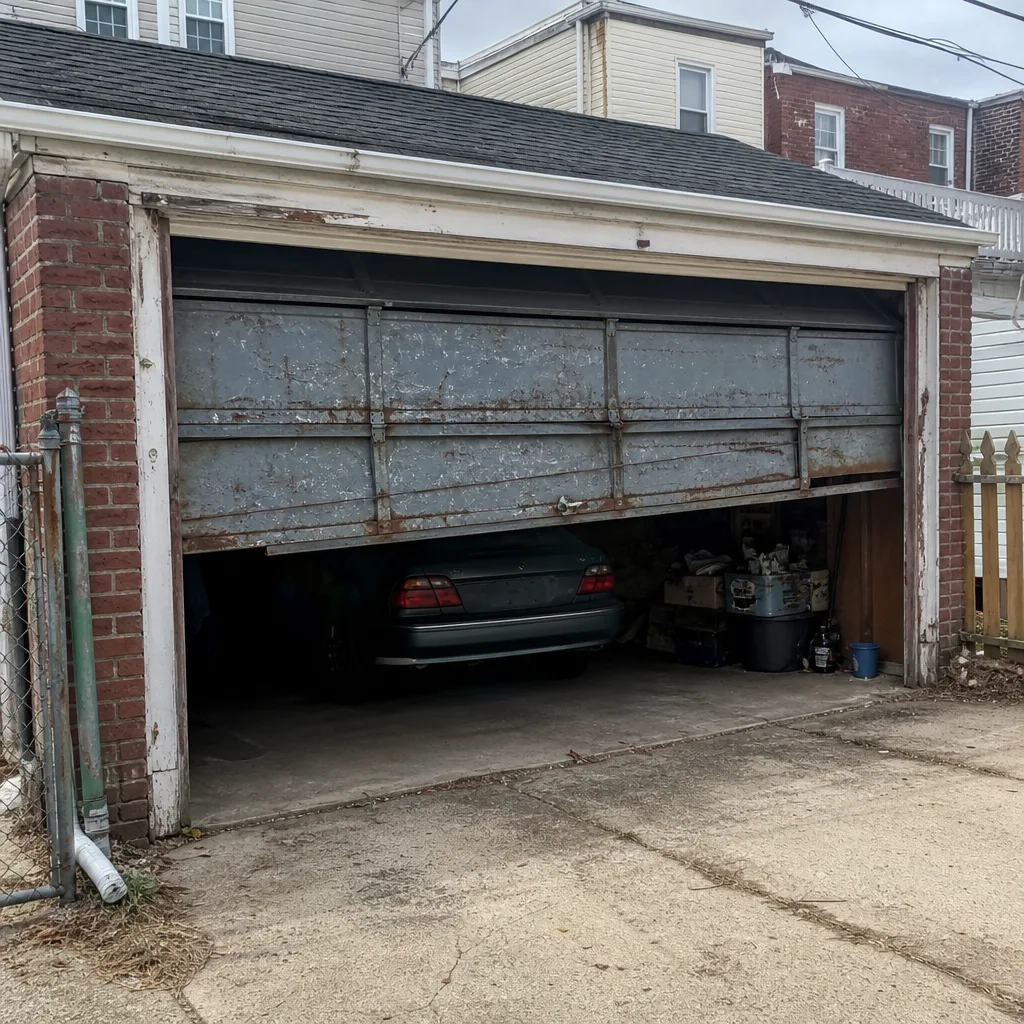 Before
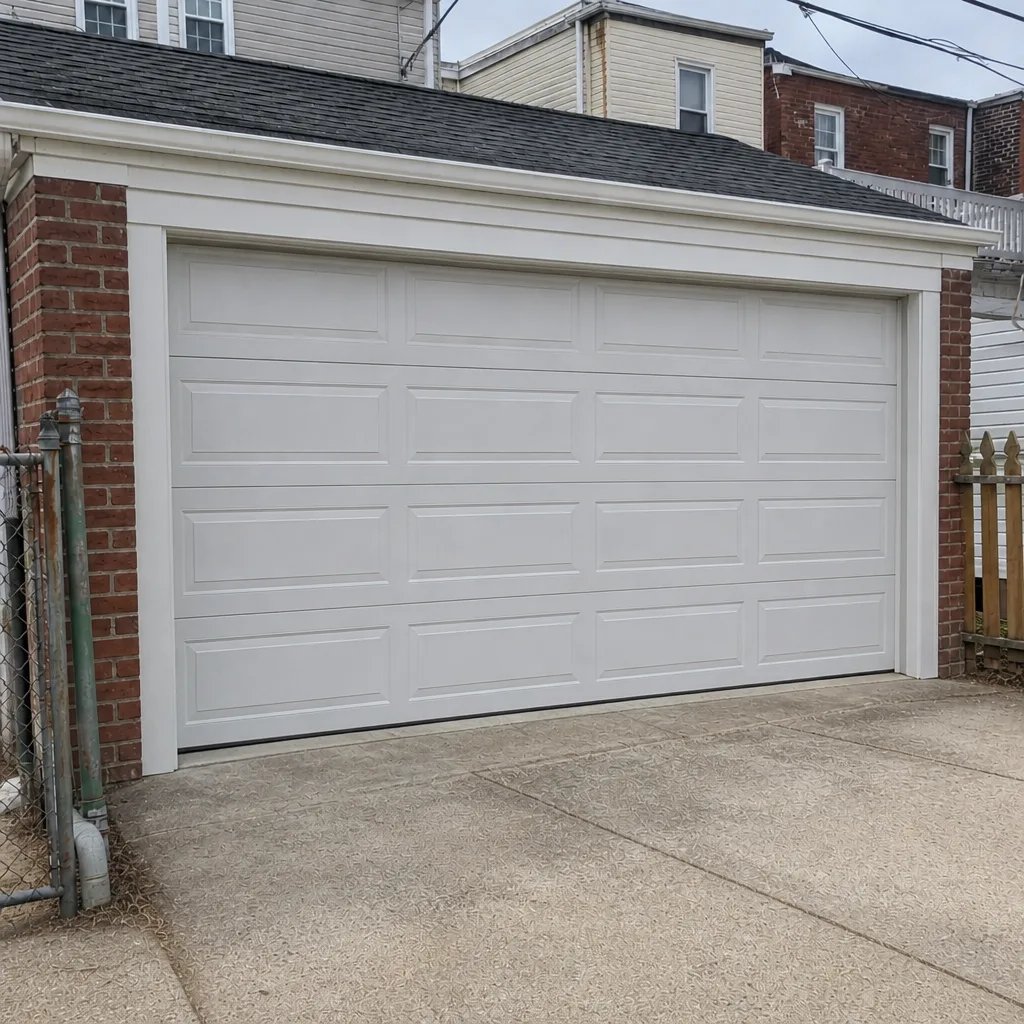 After
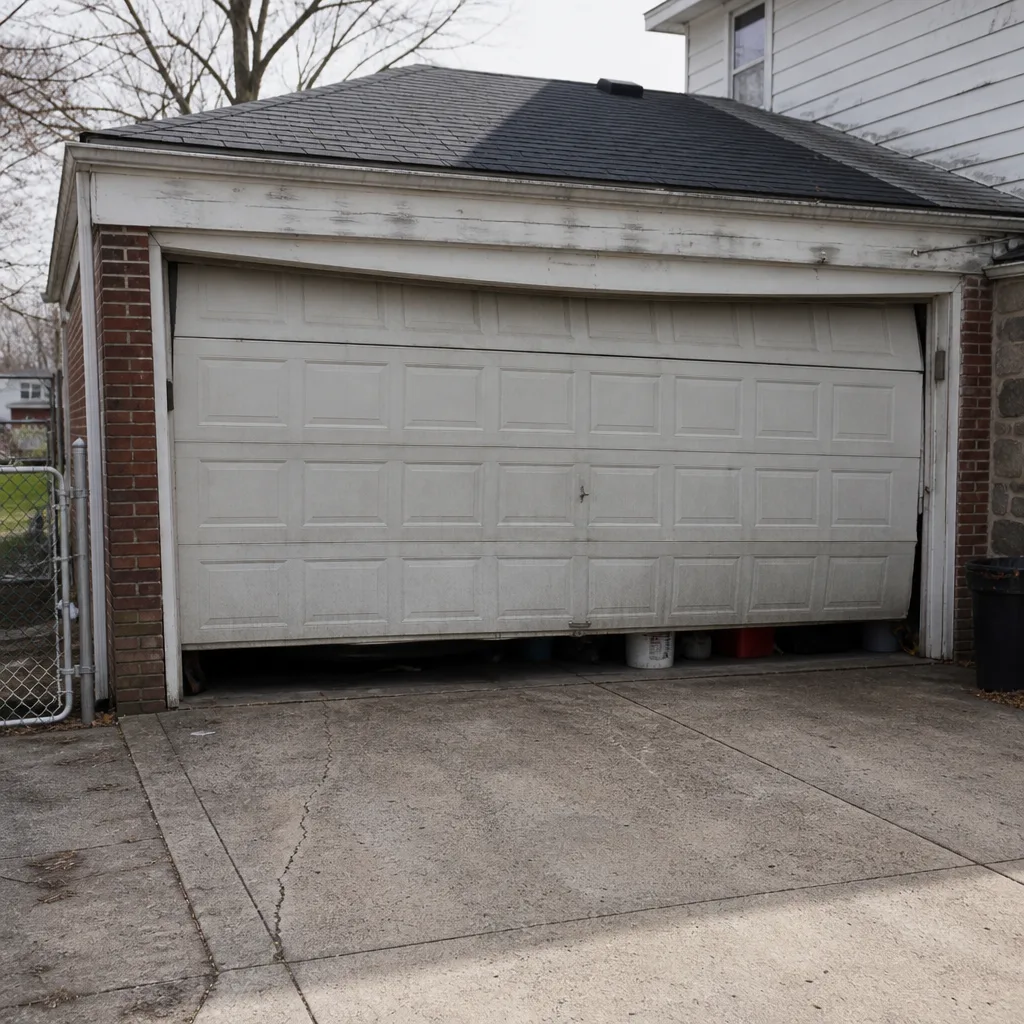 Before
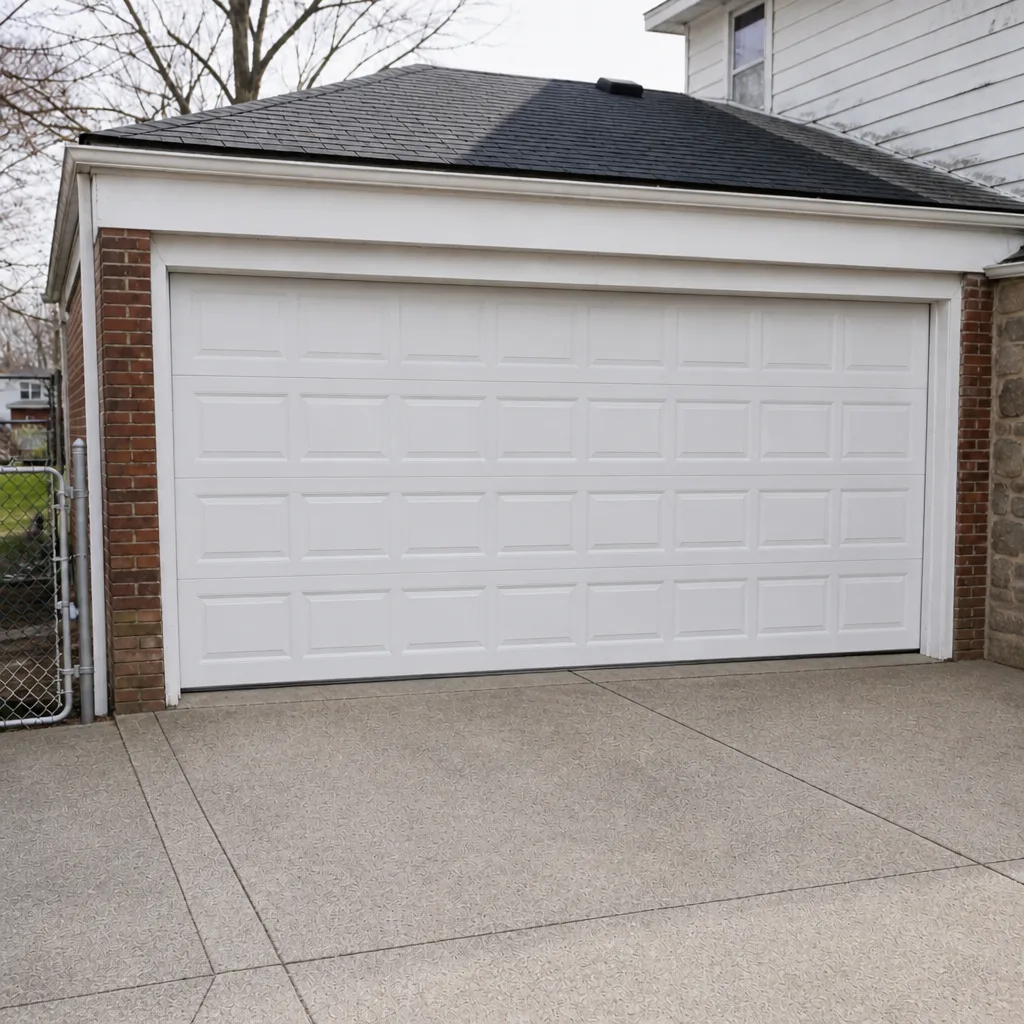 After
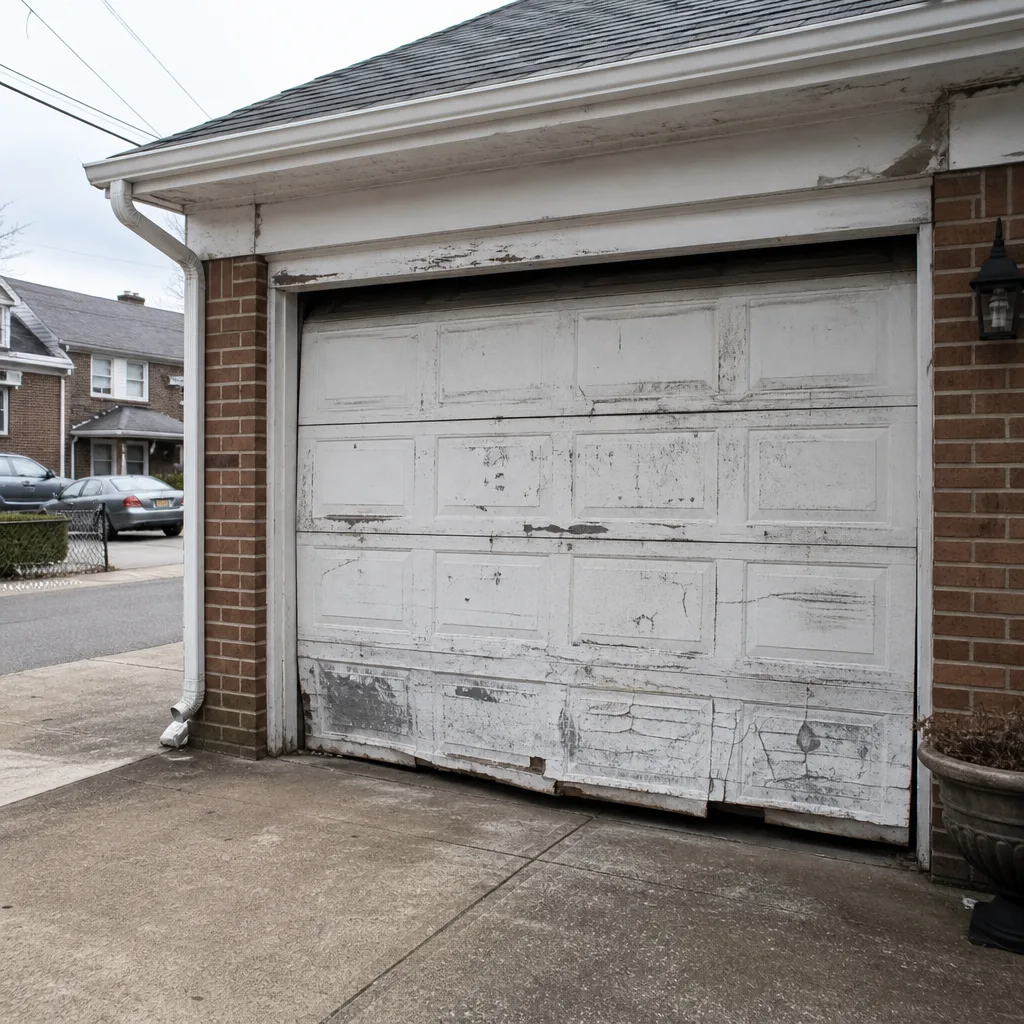 Before
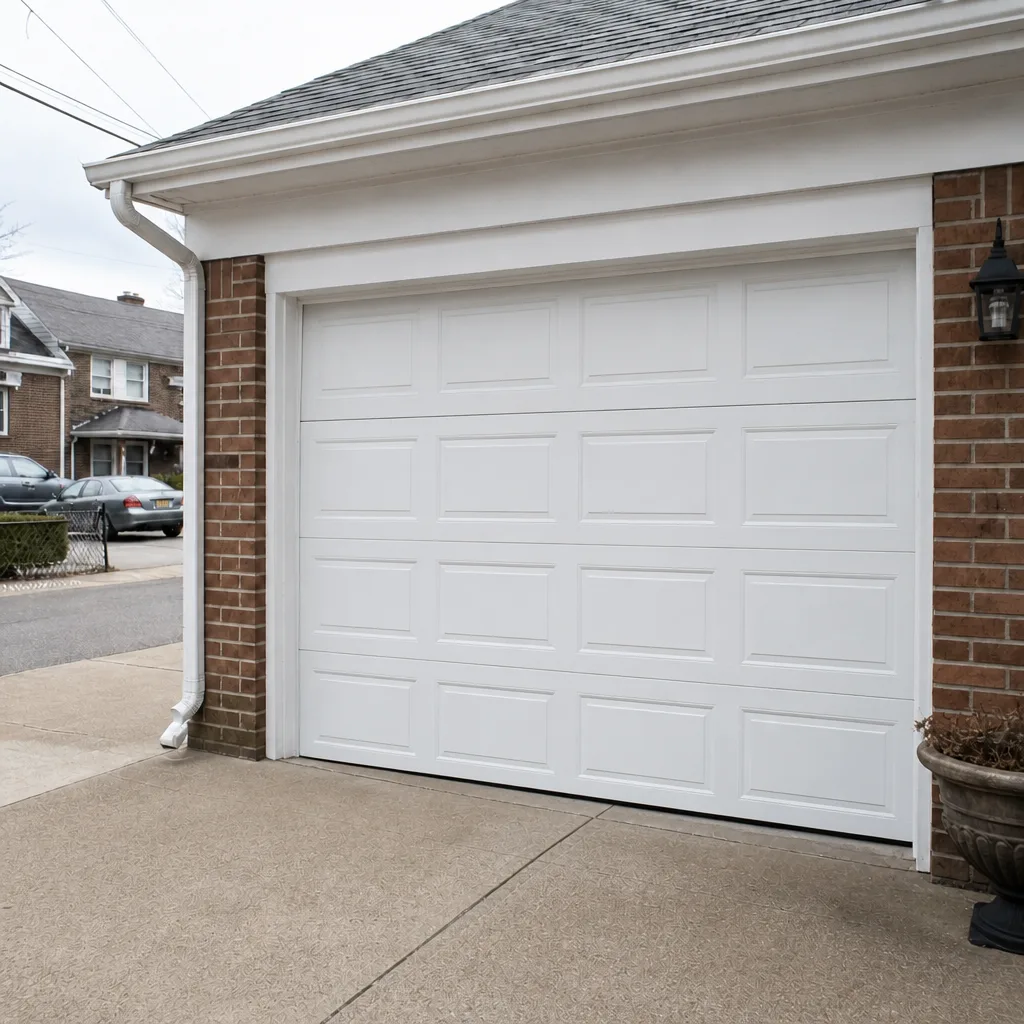 After
When to Call a Professional
Call a professional when the door has a snapped spring, a frayed or jumped cable, a visibly cracked or bent track, or a door that’s become noticeably harder to lift. Call if the opener runs but the door doesn’t move, or if either auto-reverse test fails. Call if the door is off its hinges, if a panel is cracked or separated, or if the door is leaning to one side because that points to a broken spring or a cable failure on one end. And call if you’ve never had a professional tune-up, since the balance test and spring tension check are the parts the routine can’t cover.
Garage Door Repair Tacony offers free estimates in Tacony. Call (855) 707-5423. We answer 24/7. Fast dispatch from 7am to 7pm, Sunday through Friday. The price is quoted and agreed before any work starts, and the written estimate sets the final price.
Frequently Asked Questions
Lubricate hinges, rollers, and bearing plates roughly every 4 to 6 months in Tacony, because the surrounding climate’s temperature swings and humid summers dry out lubricant faster than a stable climate would. The shoulder seasons are the best times: once in late spring, once in late fall. Never lubricate the torsion spring coil itself.
No. Garage door springs sit under high tension and store enough energy to cause serious injury if released improperly. Replacing one requires winding bars, correct spring sizing, and knowledge of the door’s balance settings, and this is a task for a trained technician. The safe homeowner tasks are lubrication, hardware checks, track cleaning, and the sensor tests; spring work belongs to a professional.
Cold weather stiffens metal and thickens lubricant, so a door that ran quietly in summer will often develop a rattle, groan, or hesitation in winter. The Philadelphia-area freeze-thaw cycle makes this normal. Fresh lubrication before the first hard freeze prevents most of it. If the door becomes noticeably harder to lift, that points to a spring issue, not just cold.
An opener needs repair if it still runs but has a specific failure: a stripped gear, a broken belt, a logic board that won’t respond, or a photo-eye that won’t stay aligned. It may need replacing if it’s a much older unit with parts that are no longer made, or if the door’s weight has changed enough that the opener can’t handle it. Our technicians work on LiftMaster, Chamberlain, Genie, and Craftsman models and can tell you which is which.
If the door is stuck closed and the car is inside, the fastest safe option is to disengage the emergency release cord (usually red) and lift the door by hand, but only if it lifts without excessive force. If it won’t lift by hand or feels very heavy, a spring has likely failed, so stop and call for emergency service. Call (855) 707-5423. We answer 24/7. A call outside dispatch hours is booked into the next opening, Sunday through Friday, 7am to 7pm.
No. Homeowner maintenance handles the accessible parts, but it can’t test spring tension, check cable wear at the drum, or balance the door. A yearly professional tune-up covers those, and it catches spring and cable problems before they fail. During a tune-up the technician also verifies opener force settings and photo-eye alignment, which are the safety-critical parts of the system.
The Bottom Line
Maintenance isn’t a long list. It’s the right list, done at the right intervals, with a clear line between what you can safely handle and what belongs to a technician. In Tacony, that means a monthly 60-second inspection, quarterly lubrication, and a mechanical auto-reverse test alongside the photo-eye check. Everything involving springs, cables, or bottom brackets goes to a professional. Keep a simple log of your door’s brand and model so the first call for service is efficient. And if you’ve been skipping the tune-up, this is the year to catch up. The door will run quieter, last longer, and stop being a thing you worry about. For a free estimate on any repair, spring work, or opener issue, call (855) 707-5423. We answer 24/7. Fast dispatch from 7am to 7pm, Sunday through Friday.
Written by the team at Garage Door Repair Tacony.