
Last updated November 21, 2026
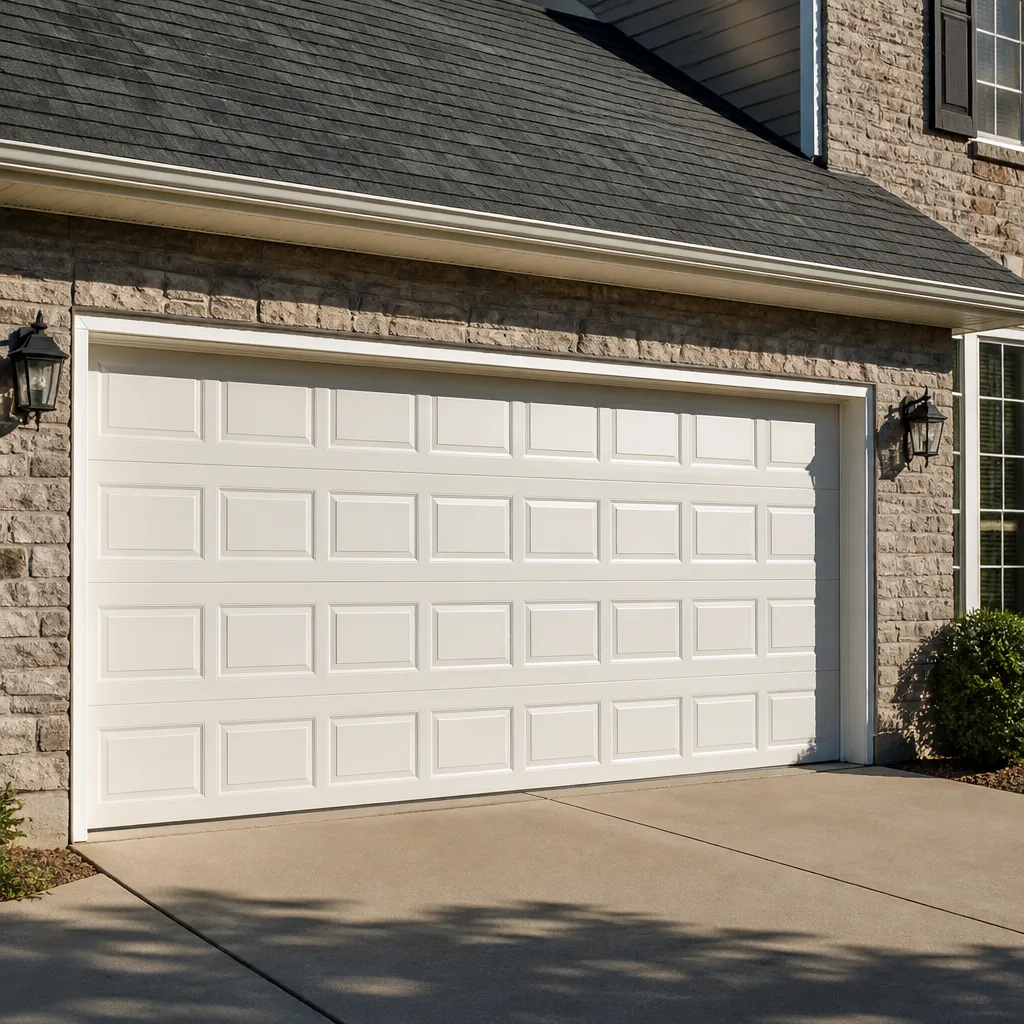 Raised-panel steel
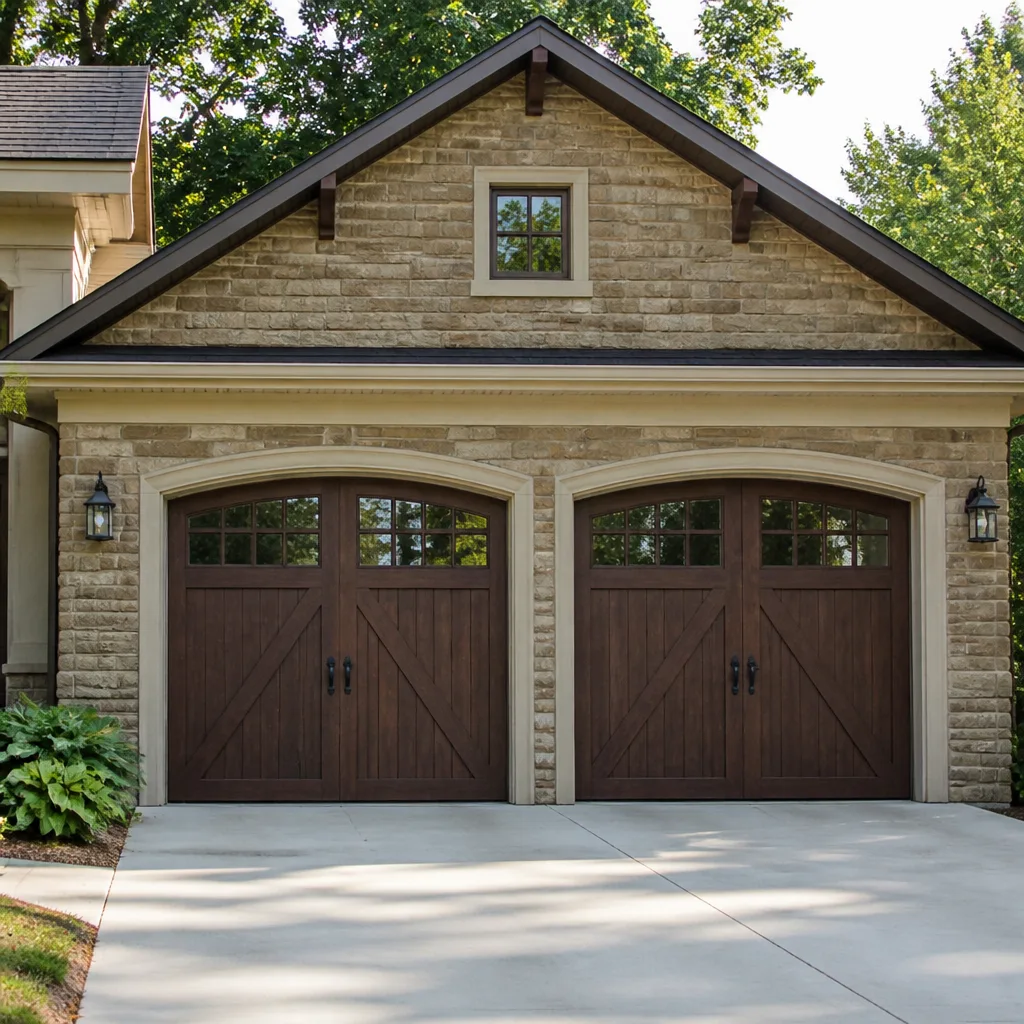 Carriage house
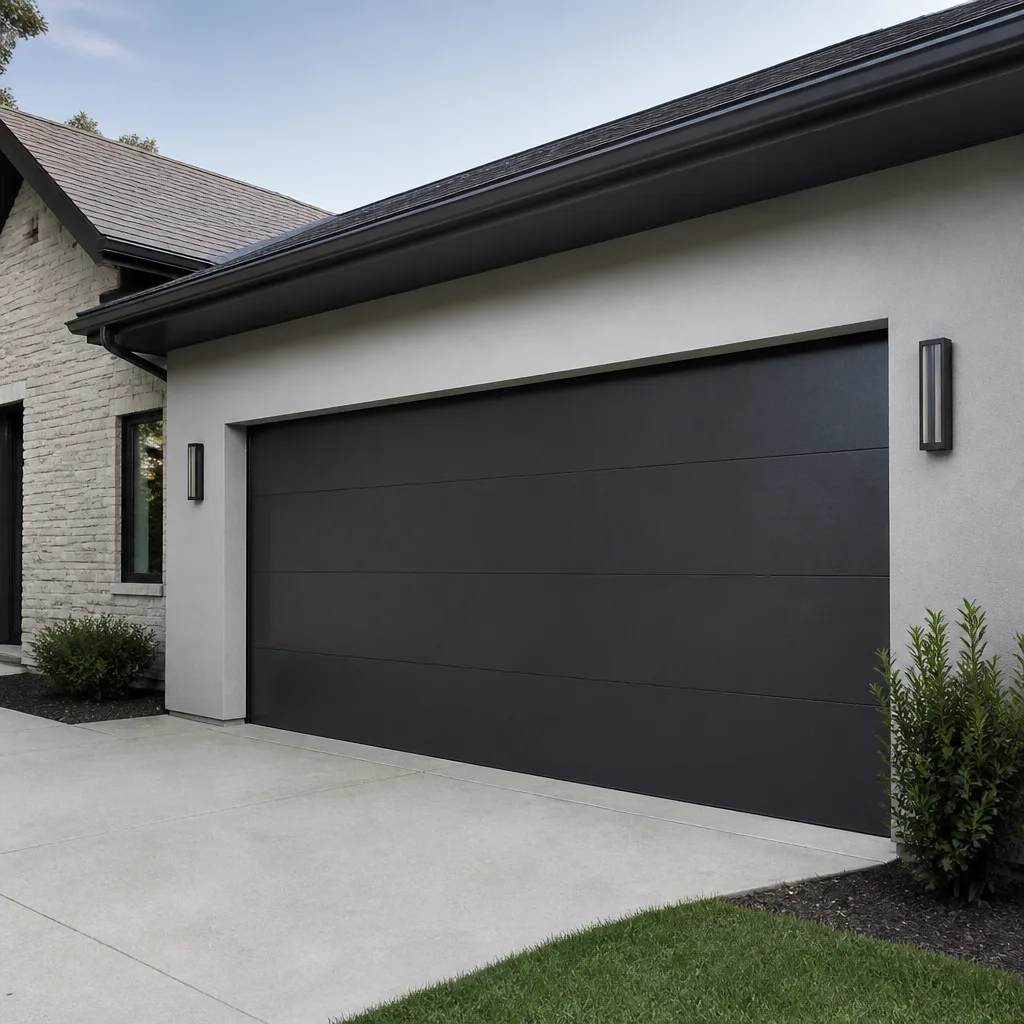 Modern flush
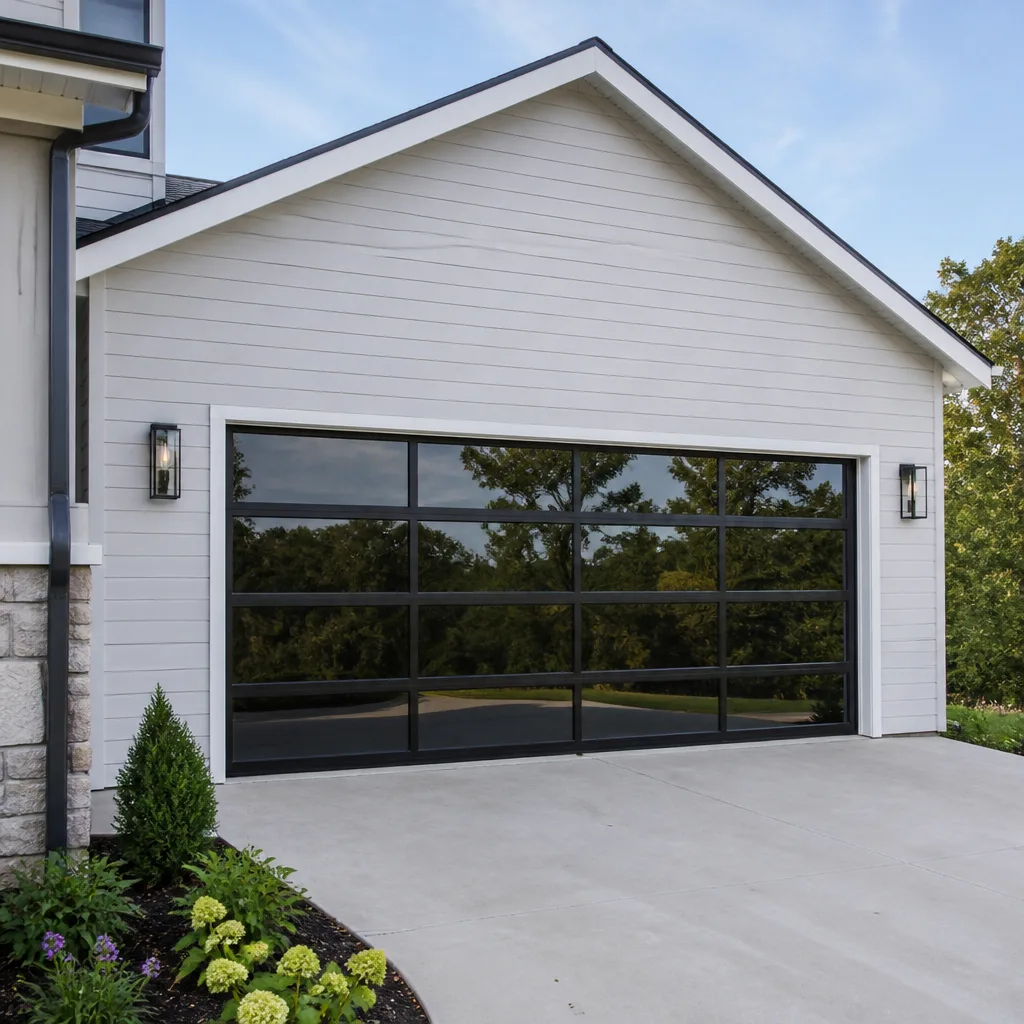 Full-view glass
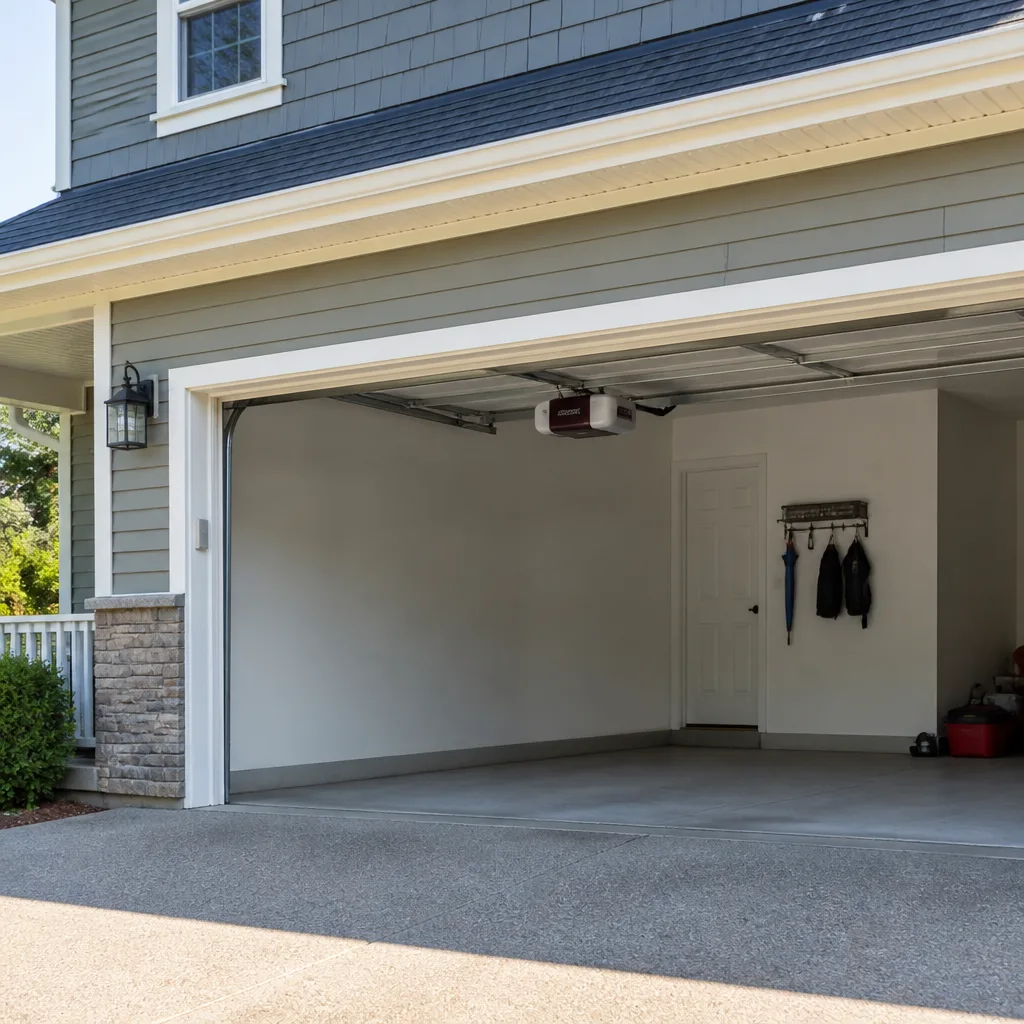 LiftMaster openers
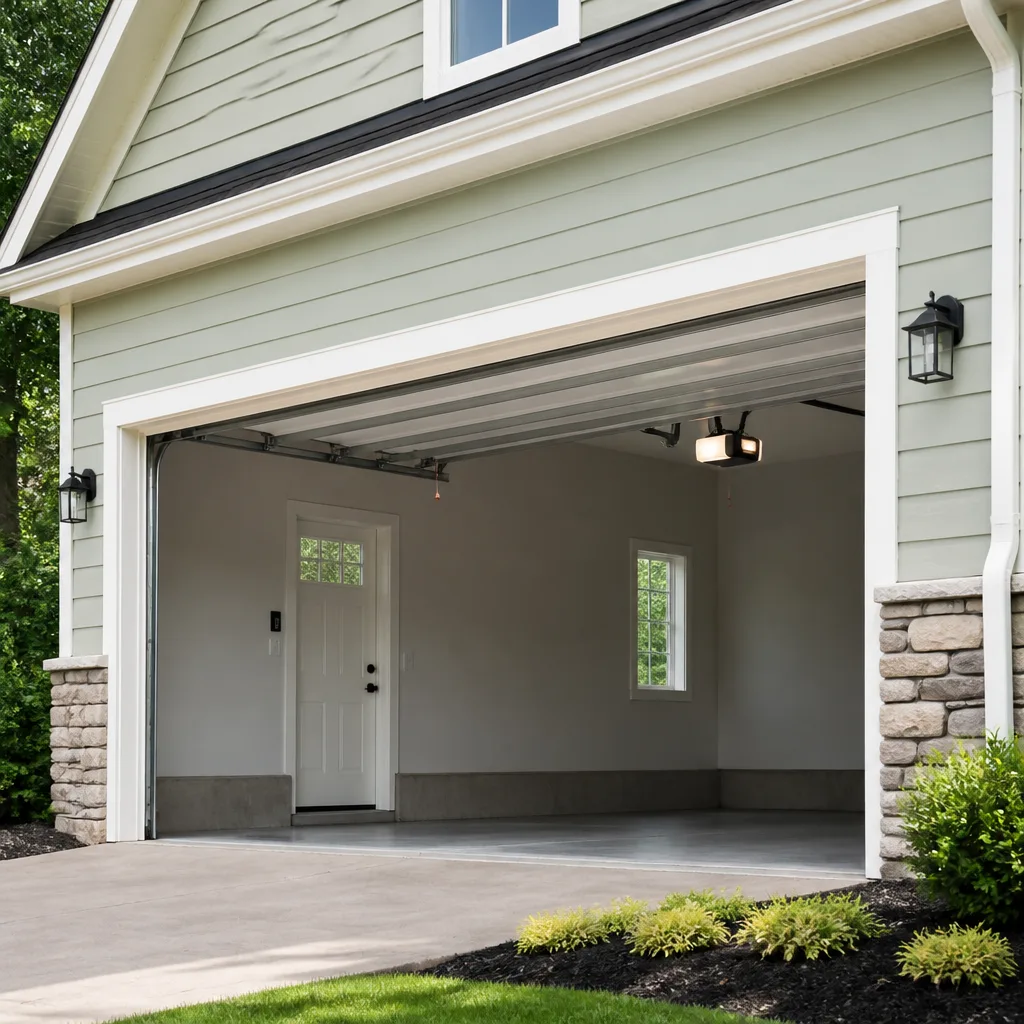 Chamberlain openers
Full 25-point door and opener safety check with every visit - springs, cables, rollers, tracks, and your LiftMaster or Chamberlain opener included
You get a price before we start. It does not change when the pro arrives.
Get your free estimateThe Complete Guide to Garage Doors in Tacony
Most garage door guides are written for suburban ranch homes with 20-foot driveways and a clean, straight shot from street to door. Tacony isn’t that. Here, a lot of the housing went up in the middle of the last century, the driveways run narrow and tight, and plenty of garages sit detached at the back of a lot where the door takes the weather head-on. Those differences matter when you’re picking a door, mounting an opener, or deciding whether a tired spring system gets repaired or replaced. This guide walks through the decisions a Tacony homeowner actually faces, from header clearance to river-corridor humidity to a detached garage that may need a closer look before anyone touches the door. Mention Tacony once more and we’re off.
Quick Answer
Choosing and maintaining a garage door in Tacony comes down to matching the door, opener, and spring system to the specific constraints of mid-20th-century housing: tight header clearance, narrow driveways, and detached garages that see hard freeze-thaw winters and humid summers near the Delaware River. Repair is usually the right call for a single failing part on a structurally sound door, while replacement makes more sense when the panels, tracks, and hardware are all wearing out together. Installation, replacement, and spring work are scheduled jobs, priced by a written estimate before any work begins.
Styles & brands we work with
- Raised-panel steel
- Carriage house
- Modern flush
- Full-view glass
- LiftMaster openers
- Chamberlain openers
Table of Contents
- How Tacony’s Housing Stock Shapes Garage Door Choices
- Header Clearance, Track Type, and Opener Mounting
- Door Styles and Materials That Hold Up in Tacony
- Repair vs. Replacement vs. New Installation
- Brand and Model Tiers for Every Budget
- Assessing a Detached Garage Before Door Work
- Springs: Why This Is the One Repair You Don’t DIY
- Choosing and Troubleshooting Your Opener
- A Seasonal Maintenance Routine for Tacony
How Tacony’s Housing Stock Shapes Garage Door Choices
A big share of Tacony’s homes date to the mid-20th century, and that era of construction left a specific set of constraints for anyone working on a garage door. Garages built then were often sized for smaller cars, and the door openings reflect it. Headers sit lower than on newer builds, the space above the door where the opener and torsion system mount can be shallow, and the tracks follow tighter tolerances. None of that rules out modern doors or smart openers, but it changes which ones fit without modification.
Driveways are the other factor. In the tighter blocks of Tacony, the run from the street to the door is short and sometimes angled, which matters when a technician needs to stage a ladder or set down a new door panel. It also means a door that swings or rolls the wrong way can foul the approach. A specialist who works in Tacony regularly reads these constraints before quoting, rather than discovering them on install day.
Detached garages are common here too, especially where lots run deep. A detached garage sees more weather on all four sides and gets less incidental attention than one attached to the house, so its door and hardware age differently. When we look at a Tacony garage door, we’re not just looking at the door. We’re reading the structure, the approach, and the exposure together, because those three things decide what actually works.
Header Clearance, Track Type, and Opener Mounting
Clearance is the number that quietly determines what’s possible above a garage door, and in older Tacony garages it’s often the first thing to check. Header clearance is the distance from the top of the door opening to the ceiling. Low-headroom garages need either a low-clearance track or a torsion spring mounted to the front, rather than a standard setup that needs more room overhead. Getting this wrong shows up as a door that won’t fully open or a track that scrapes on the way up.
Track type follows from clearance and from how the door needs to travel:
- Standard radius track suits most garages with normal headroom and a straight approach.
- Low-headroom track fits tighter ceilings where a full arc won’t clear.
- High-lift track raises the door higher for taller vehicles or overhead storage.
- Vertical or angled track handles unusual approaches and tight side clearances.
Opener mounting is the third piece. A ceiling-mounted opener needs solid framing above and room for the rail. In older garages the ceiling joists may not be where a modern opener expects them, so the mounting points get reinforced or the opener gets a different mounting strategy. A jackshaft opener, which mounts beside the torsion bar rather than overhead, is often the answer when ceiling space is scarce. We work on garage door opener repair across the major brands and see these mounting issues constantly in mid-century garages, so measuring before ordering is standard.
Door Styles and Materials That Hold Up in Tacony
Tacony’s weather is a two-sided test. Summers near the Delaware River run humid, so anything that traps moisture or reacts to it will show wear. Winters bring freeze-thaw cycles, where water gets into seams and small gaps, freezes, and works them open over time. A door that performs here needs to shrug off both without constant attention.
Here’s how the common materials stack up for this climate:
- Steel is the workhorse. It’s durable, takes insulated cores well, and handles freeze-thaw without warping. The tradeoff is rust at scratches and seams, so touch-up matters.
- Aluminum resists rust better than steel and stays light, which helps on tight tracks, but it dents more easily.
- Wood looks the part on older homes but demands annual sealing to survive humid summers and wet winters. Unsealed wood here ages fast.
- Composite and faux-wood give the wood look without the upkeep, and they handle moisture better than real wood.
- Insulated panels are worth it if the garage shares a wall with living space or gets used as a workspace; the core helps with both temperature and sound.
Style-wise, a raised-panel or carriage-house look fits the older Tacony streetscapes well, but design shouldn’t drive the material choice. Insulation, weight, and how the door handles moisture matter more than the profile, especially on a detached garage that takes weather from every side.
Repair vs. Replacement vs. New Installation
The repair-or-replace question is the one homeowners ask most, and it usually has a clear answer once you look at the whole door rather than the one part that failed. Use this decision tree:
- Is it a single failing component on a structurally sound door? One bad spring, a worn roller, a misaligned track, or a dead opener on an otherwise solid door points to repair. This is the common case and usually the most economical path.
- Are multiple systems wearing out together? Failing springs plus bent tracks plus cracked panels plus aging hardware means you’re repairing the same door repeatedly. At that point, replacement is the better spend.
- Is the door itself the problem? A door that’s too thin, badly insulated, or the wrong size for the opening is a replacement candidate regardless of condition.
- Is the garage structure failing? Sagging framing, a rotten header, or a settling foundation means structure comes first. Get that assessed before choosing a door.
- Is there no door, or is this a conversion? Turning a carport or an open bay into an enclosed garage is a new installation, and it starts with measuring the opening and framing, not picking a panel.
For a genuinely broken door that needs hands on it now, our garage door repair service is built for exactly that. For a door that’s reached the end of its life, we handle garage door installation and replacement as a measured, scheduled job. The point is to pick the path that fixes the actual problem, not the most expensive one.
Brand and Model Tiers for Every Budget
You don’t need the most expensive door on the market to get something that lasts in Tacony. You need a door that fits the opening, a material that suits the climate, and hardware from a brand with parts that are actually available when something wears out. Those three things matter more than the badge on the panel.
On the door side, brands like Clopay, Amarr, Wayne Dalton, and Raynor each cover a range from basic steel to insulated carriage-house styles, so budget and durability aren’t in conflict the way people assume. A solid mid-tier insulated steel door often outperforms a fancier-looking one with a thinner core. Match the tier to the exposure: a detached garage that takes the weather warrants a sturdier door than a sheltered one.
On the opener side, LiftMaster, Chamberlain, Genie, and Craftsman cover the vast majority of residential garages, which means whichever one you already have is one we can work on. That’s the whole idea behind your brand, our expertise: we service all eight of the leading brands, so virtually no one gets turned away because of their equipment. When you’re upgrading rather than replacing, a smart opener from LiftMaster or Chamberlain is a natural fit if you want app control and quieter operation, but a modest Genie or Craftsman unit does the job fine on a standard door. We work on what you already have.
Assessing a Detached Garage Before Door Work
A detached garage in older Tacony properties can carry structural issues that make door work risky or short-lived. Before anyone hangs a new door or re-tensions a spring, the structure needs a basic assessment. A door is a heavy moving object transferring force into framing every time it opens, so weak framing becomes a safety problem, not just a cosmetic one.
Here’s what to check before any door or spring work begins:
- The header above the opening. Look for sag, cracks, or rot. The header carries the door’s load, and a failing one is a stop-work signal.
- The side jambs and tracks’ mounting surface. Loose or rotted jamb framing means the tracks won’t stay true.
- The ceiling and opener framing. Check that the framing an opener mounts to is solid and sound.
- The foundation and floor. A settling slab throws the opening out of square, and no door tracks cleanly on an out-of-square opening.
- Water and roof condition. Water intrusion from a failing roof or gutter rots framing from the top down, so check above the garage too.
If any of these come up short, the fix is structural repair first, then the door. We’ll flag what we find and recommend a structural assessment where it’s warranted, so the door work rests on something solid.
Springs: Why This Is the One Repair You Don’t DIY
A garage door spring is a stored-energy device, and the tension in a wound torsion spring or an extended extension spring can cause serious injury if it releases unexpectedly. That’s why this is the one repair we tell every homeowner to leave to a trained professional. Springs are our specialty, not a side job, and a lot of generalists avoid or outsource them for exactly this reason.
Two signs tell you a spring has failed. A torsion spring breaks with a loud snap and the door won’t lift; the opener runs but the door stays put. An extension spring stretches visibly over its life and can fail without warning. What you can do safely is look and listen: inspect springs for gaps or stretched coils, listen for a bang from the garage, and stop using a door that won’t lift under its own weight or feels suddenly heavy.
Don’t try to wind, unwind, or replace a spring yourself, and don’t run the opener against a broken spring, since that burns out the motor on a problem it can’t solve. A typical spring repair is a scheduled job we handle with the right tools and safety practices, and it’s one of the more common calls we get in Tacony because older doors here are running original hardware. We treat these as core business, not something to hand off.
Choosing and Troubleshooting Your Opener
An opener that won’t respond is usually a simpler problem than it feels like. Before assuming the motor is dead, run through the common suspects, because a lot of “broken opener” calls turn out to be a sensor, a remote, or a power issue. When the door won’t move, we do, but here’s what to check first.
- Is there power? Check the outlet and the breaker. A tripped breaker looks like a dead opener.
- Are the safety sensors aligned? Misaligned or dirty sensors stop the door from closing. Clear the lenses and check the indicator lights.
- Is the wall control working? If the wall button works but the remote doesn’t, the remote or its battery is the issue.
- Is the door locked out? A manual lock engaged by mistake will fight the opener.
- Is the door balanced? A door that’s heavy or sticks indicates a spring or track problem, not an opener problem, and running the opener against it damages the motor.
When the fix is a repair or an upgrade, we cover LiftMaster and Chamberlain (the two smart-home leaders) along with Genie and Craftsman, which covers most openers in residential use. For a full replacement or a new door, our Garage Door Repair Tacony team measures the opening first, because the right opener depends on the door it’s moving.
A Seasonal Maintenance Routine for Tacony
A little maintenance goes a long way in Tacony’s freeze-thaw winters and humid summers, and most of it is safe to do yourself. The goal is to catch wear before it becomes a repair, and to stay off the parts that carry tension.
- Lubricate the moving parts. Rollers, hinges, and the torsion bar bearings get a garage-door lubricant, not grease, a couple of times a year.
- Check the balance. Disconnect the opener and lift the door halfway by hand. A balanced door should hold there. If it drops or feels heavy, the springs need attention.
- Inspect the tracks. Look for bends, dents, or debris. Don’t force a bent track; that’s a professional fix.
- Test the safety reverse. Put an object in the door’s path and confirm it reverses. This is the single most important safety check.
- Look at the weather seal. The bottom seal takes a beating from freeze-thaw, and a cracked seal lets in water, drafts, and pests.
- Watch for moisture and rust. In Tacony’s humid summers, touch up scratches on steel doors before rust sets in, and check wood doors for swelling.
Anything involving the springs, cables, or a door that won’t balance is off the DIY list. Those carry high tension and need a trained eye.
Common Mistakes to Avoid
- Choosing a door before measuring clearance. In older Tacony garages with low headers, a door picked for looks may not fit the track. Measure headroom and the opening first, then choose.
- Running the opener against a broken spring. It feels like a shortcut, but it burns out a motor that was never the problem. Stop and get the spring fixed.
- Ignoring a detached garage’s structure. Hanging a new door on weak framing in an older Tacony garage shortens the door’s life and creates a safety risk. Assess the structure first.
- Skipping annual wood sealing. Real wood doors on older homes need sealing to survive humid summers and wet winters. Unsealed, they age fast.
- Buying a door for curb appeal alone. A thinner, prettier door can underperform a plain insulated steel one in this climate. Material and core matter more than the profile.
- Trying to wind a spring yourself. It’s the one repair where a mistake can injure you serously and damage the door. Leave it to a trained professional.
- Assuming a dead opener is a dead motor. Sensors, remotes, breakers, and a misaligned door cause most opener problems. Check those before replacing anything.
See the difference
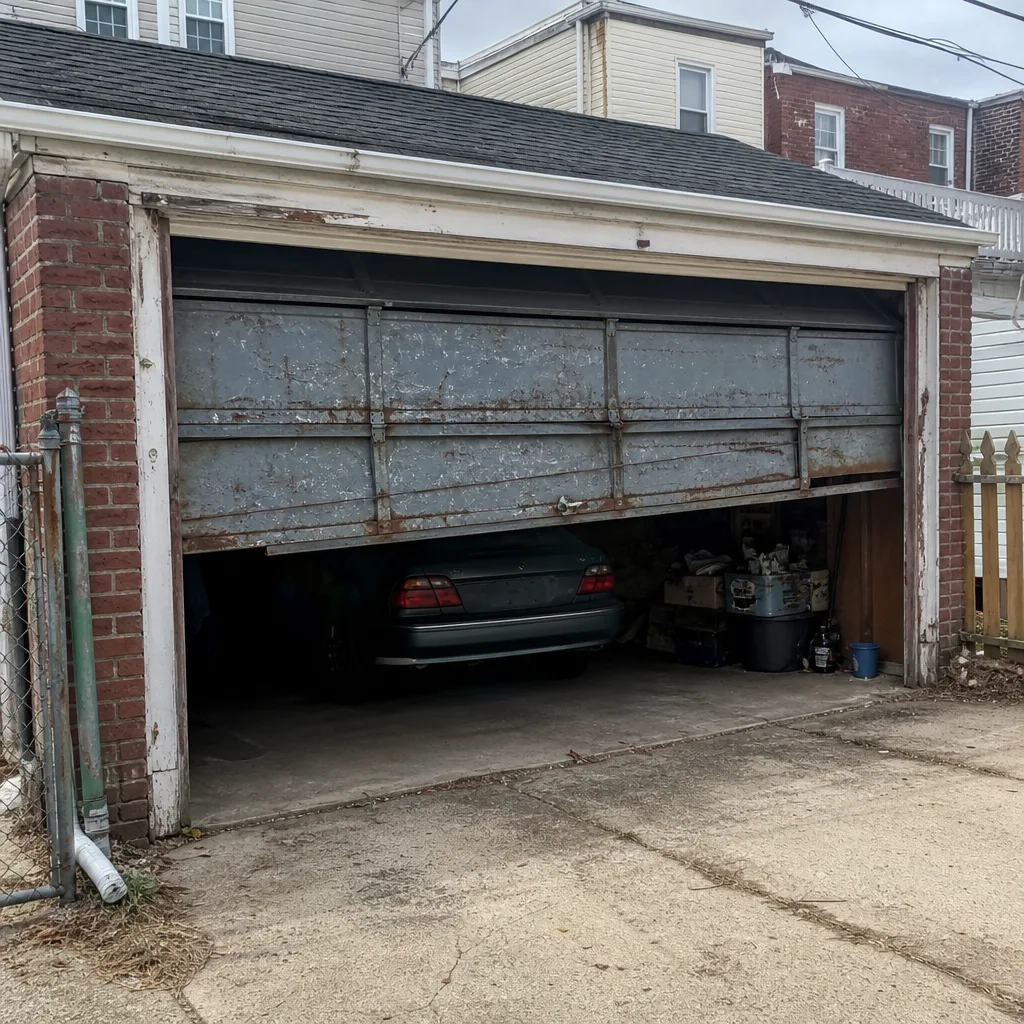 Before
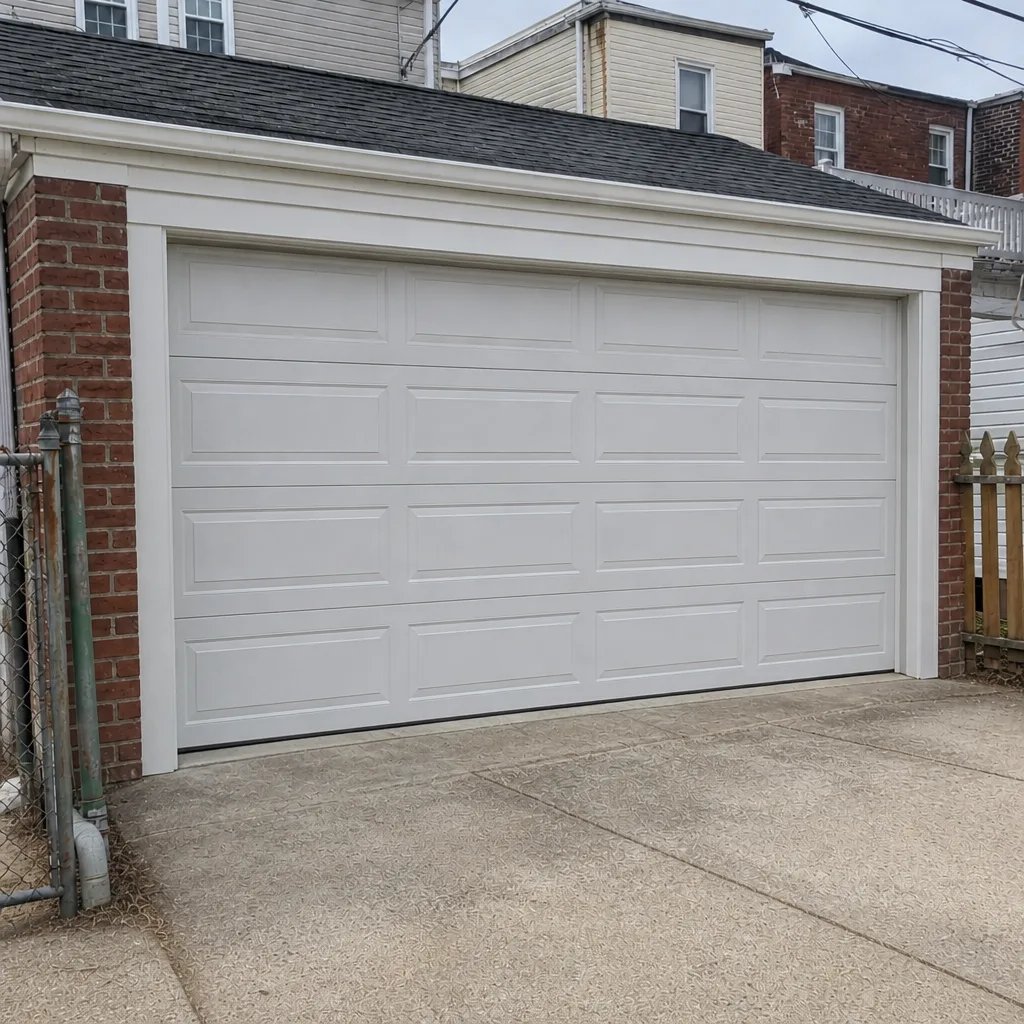 After
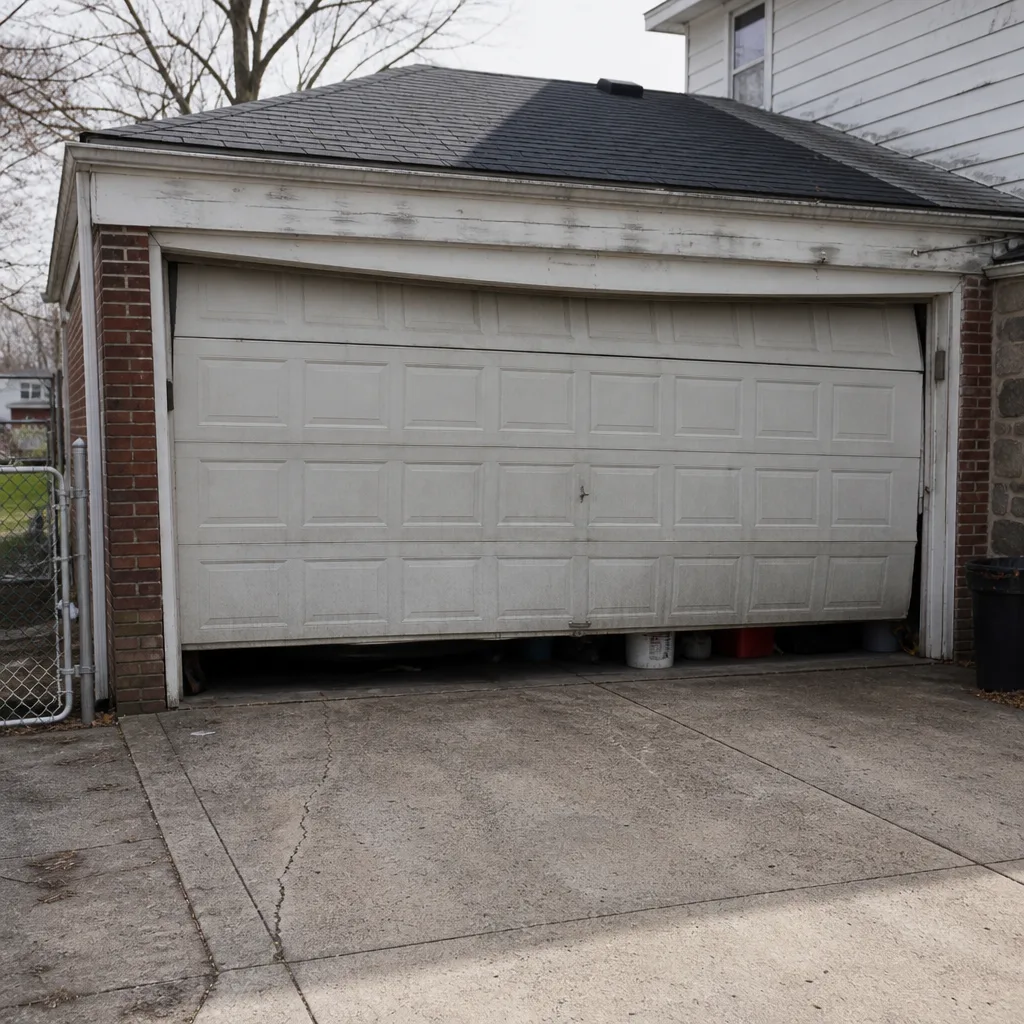 Before
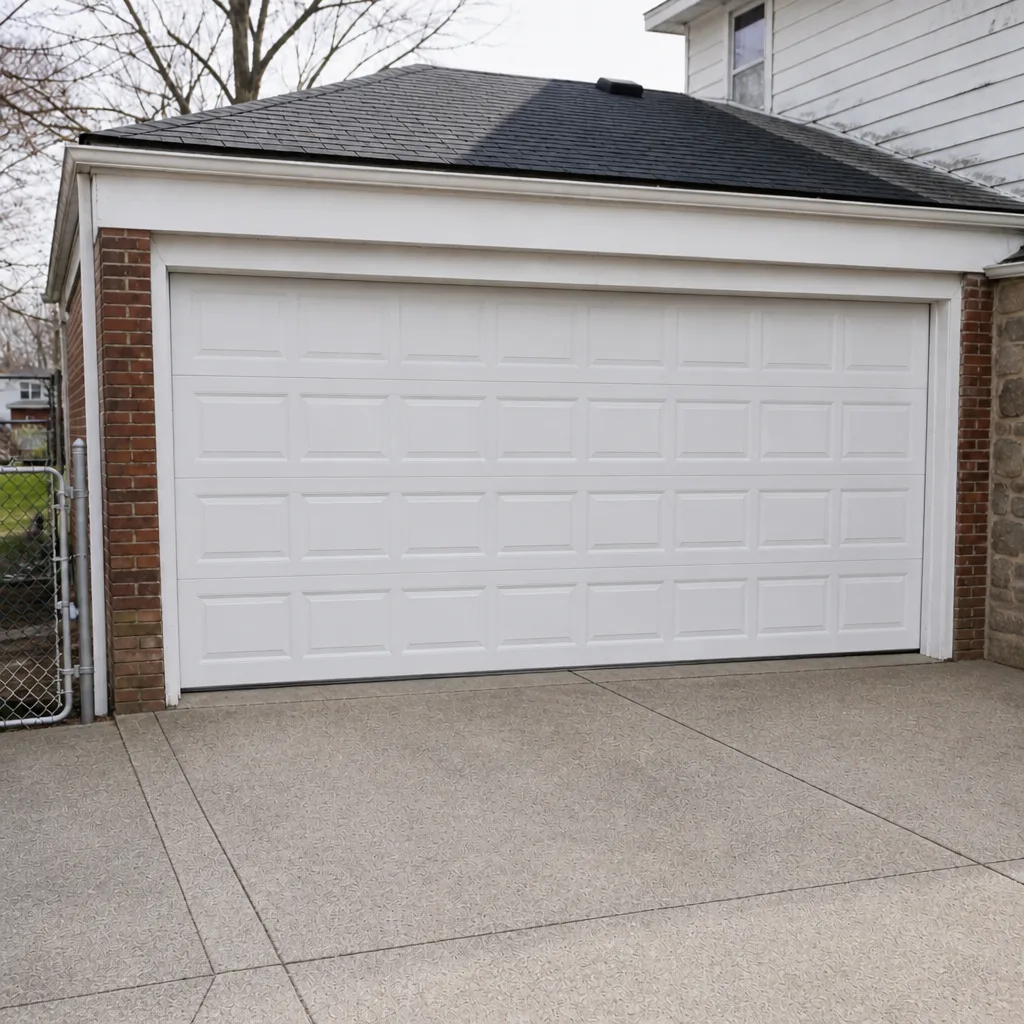 After
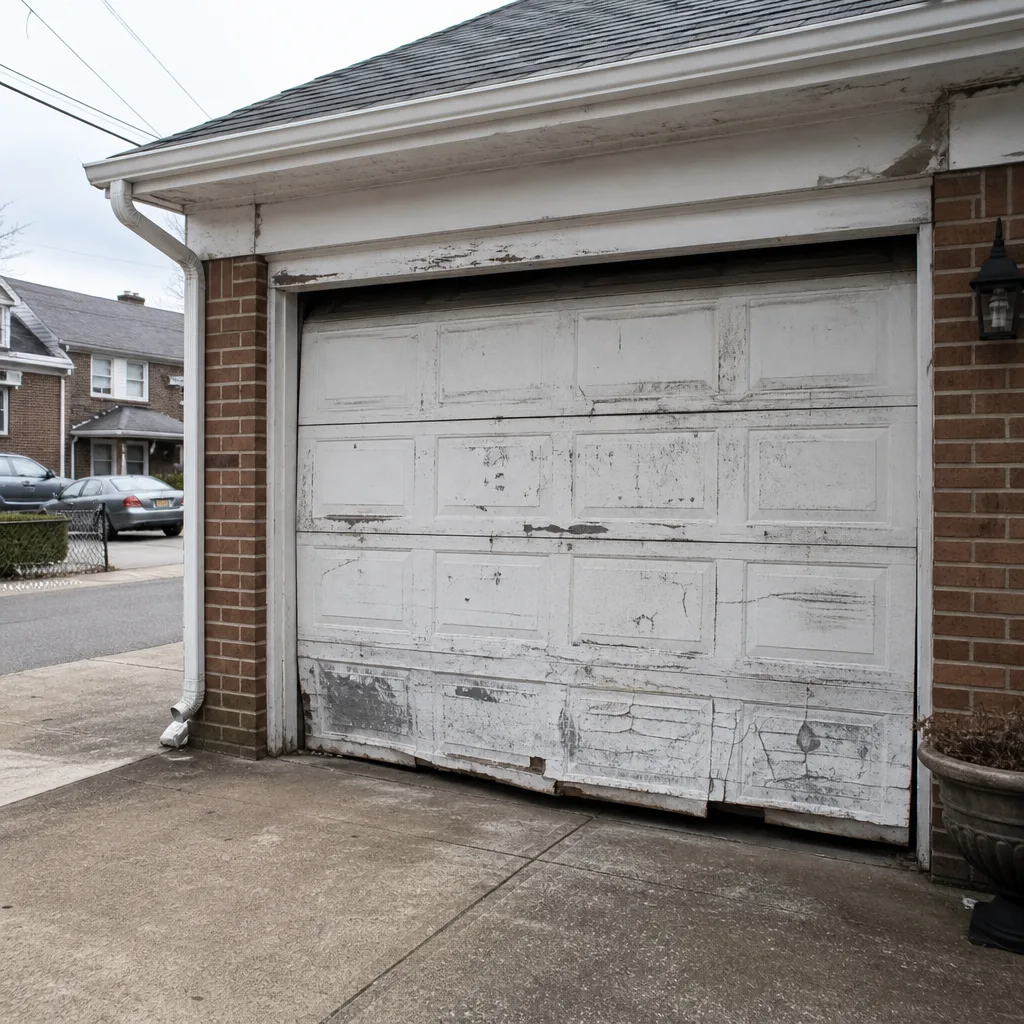 Before
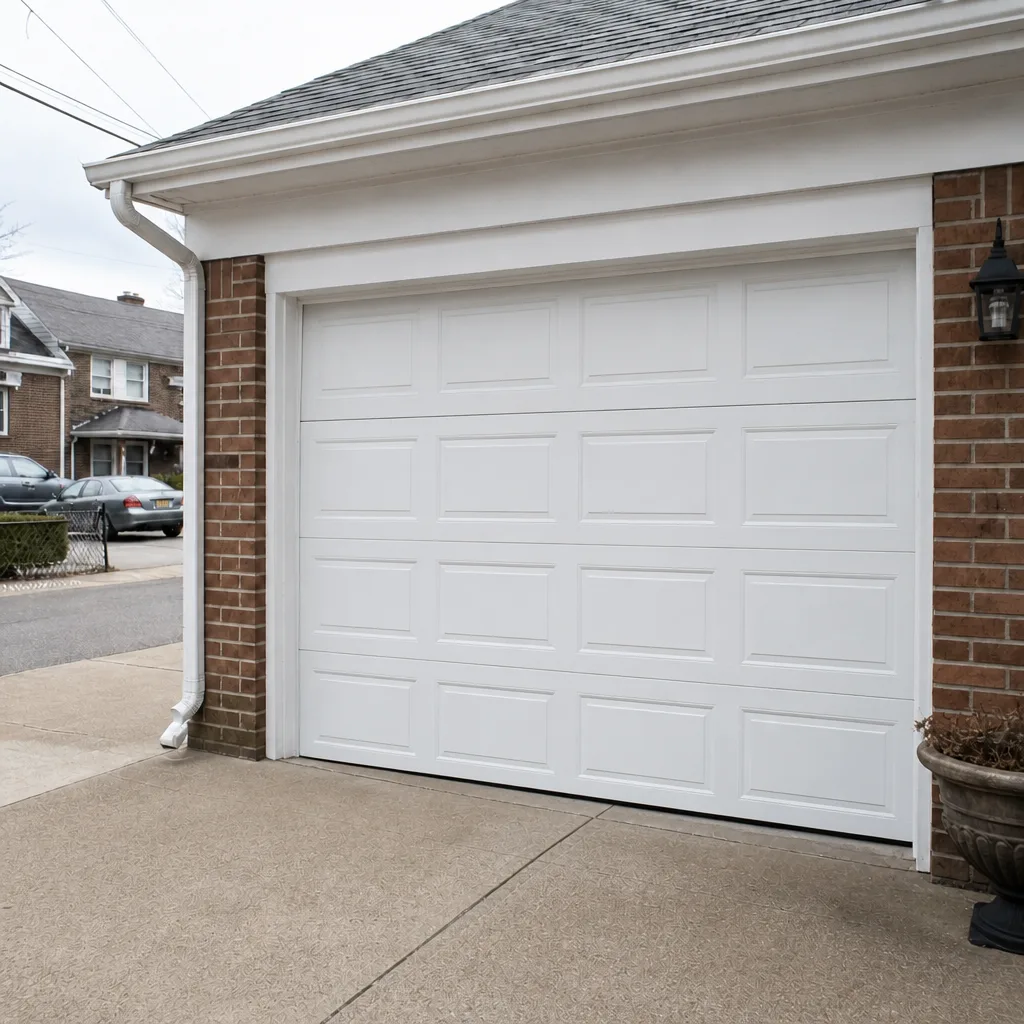 After
When to Call a Professional
Some jobs are safe to handle yourself, and some aren’t. Call a professional when a spring breaks or won’t hold tension, when the door feels suddenly heavy or drops on its own, when a track is bent or the door comes off its rollers, when the opener runs but the door doesn’t move, or when a detached garage shows framing or foundation problems. Those carry real safety risk, and a trained technician who knows the equipment is the right call. For everything else, a quick assessment saves you from guessing.
Garage Door Repair Tacony offers free estimates in Tacony. Call Garage Door Repair Tacony at (855) 707-5423. We answer 24/7. Fast dispatch from 7am to 7pm, Sunday through Friday. Our technicians have up to 10 years of experience and work on every major brand, so your existing equipment is in familiar hands. The price is quoted and agreed in writing before any work starts, so you know the number before we begin.
Frequently Asked Questions
If one component has failed on a structurally sound door, repair is usually the right call; if the panels, tracks, springs, and hardware are all wearing out together, replacement makes more sense. A door that’s the wrong size or badly insulated for the opening is also a replacement candidate. We’ll give you a written estimate either way, so you can compare the numbers before deciding.
A garage door spring holds enough stored energy to cause serious injury if it releases unexpectedly. That’s why winding and replacing springs is a job for a trained professional with the right tools. We specialize in spring repair because too many generalists avoid it, and it’s one of the most common repairs we handle on older doors in Tacony.
Yes. We service all eight leading garage door and opener brands, including LiftMaster, Chamberlain, Genie, and Craftsman, which covers the vast majority of residential openers. Whatever you already have, we work on it. Call (855) 707-5423 for a free estimate.
Tacony’s mid-20th-century homes often have lower header clearance, tighter driveways, and detached garages that need structural checking before door work. Those constraints change the track type, opener mounting, and door choice, so measuring comes before ordering every time. For a scheduled install, we promise a free measure and a written price.
The written estimate sets the price, and the price is quoted and agreed before any work starts. If we find something that changes the scope, we talk it through with you first rather than surprising you with a bigger invoice. Call (855) 707-5423 for an exact quote; estimates are free.
The local pros we connect you with are licensed and insured as their state requires, and our technicians have up to 10 years of experience on every major brand. That’s the level of training we want on a door that carries high-tension springs. Call (855) 707-5423 to book a free estimate.
The Bottom Line
Tacony’s housing stock and river-corridor weather set the real constraints on any garage door decision. Header clearance, track type, and opener mounting all depend on the era and layout of the garage, and door materials have to handle humid summers and freeze-thaw winters without constant upkeep. Use the repair-or-replace decision tree to pick the right path, check a detached garage’s structure before any door work, and leave the springs to a trained professional. Match the brand and tier to your budget and exposure, keep up a simple seasonal routine, and call when the job carries risk. A door that fits Tacony’s constraints lasts longer and works better.
Written by the team at Garage Door Repair Tacony.