
Last updated November 21, 2026
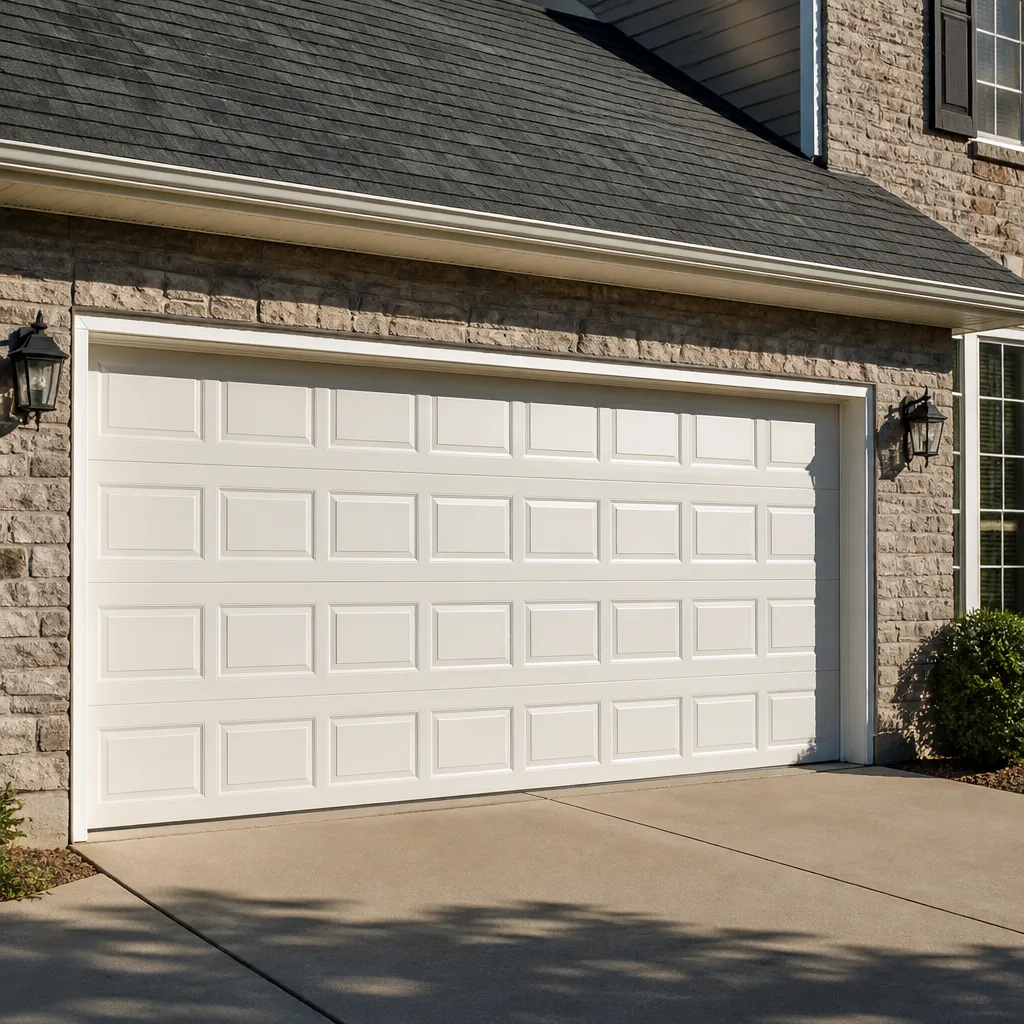 Raised-panel steel
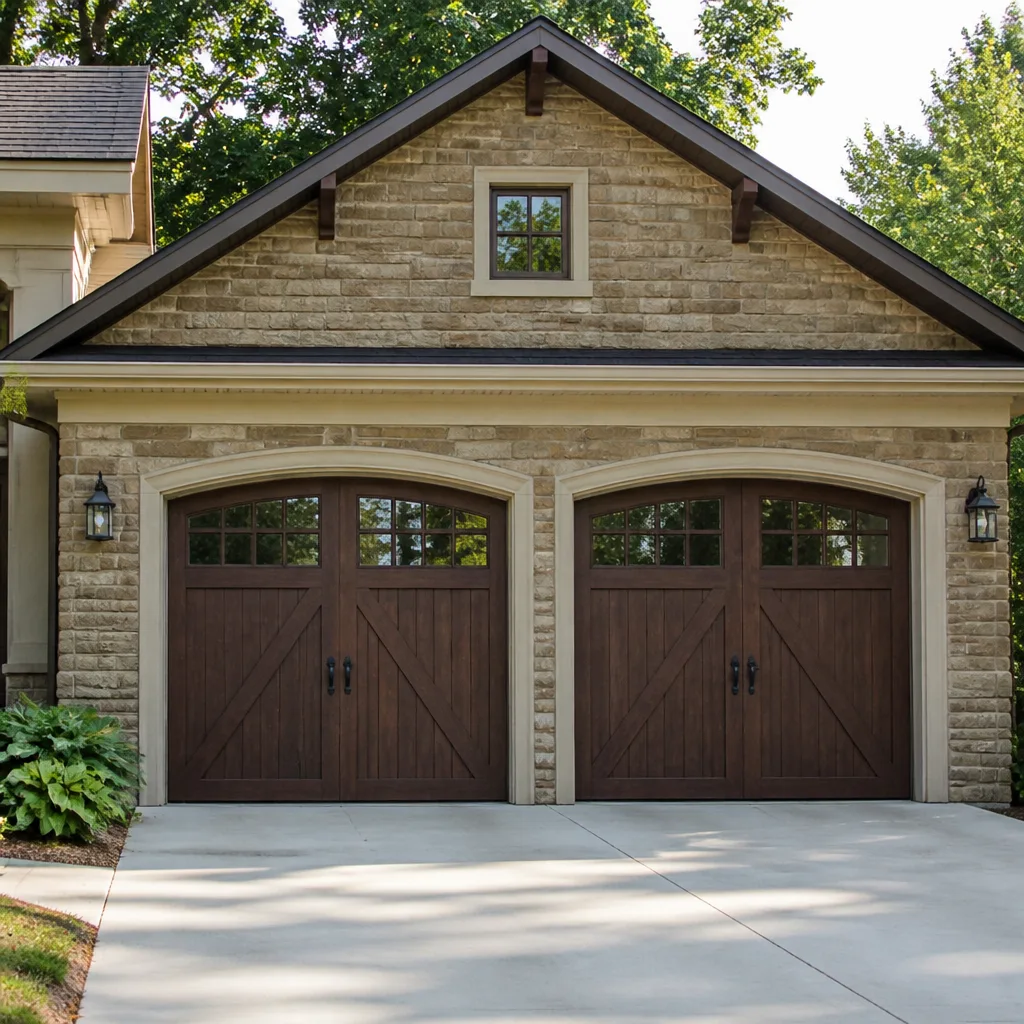 Carriage house
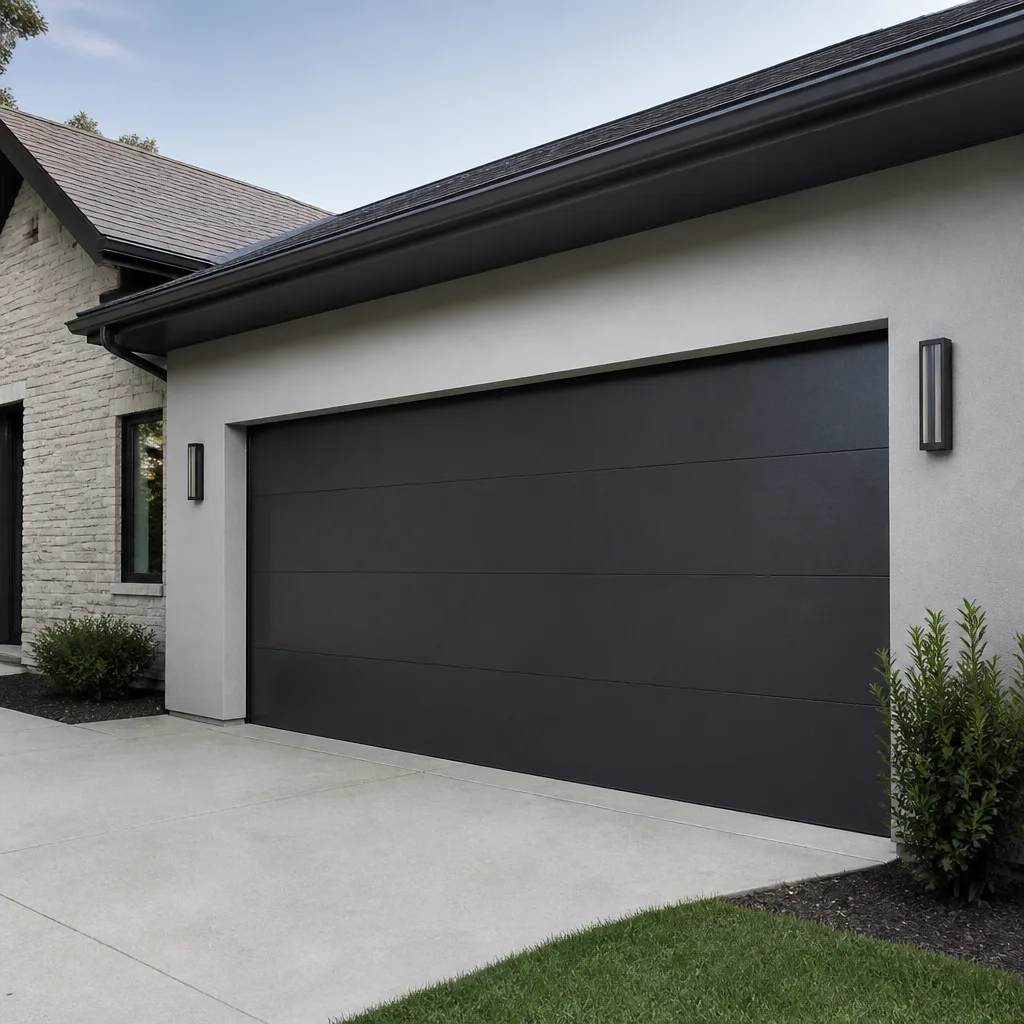 Modern flush
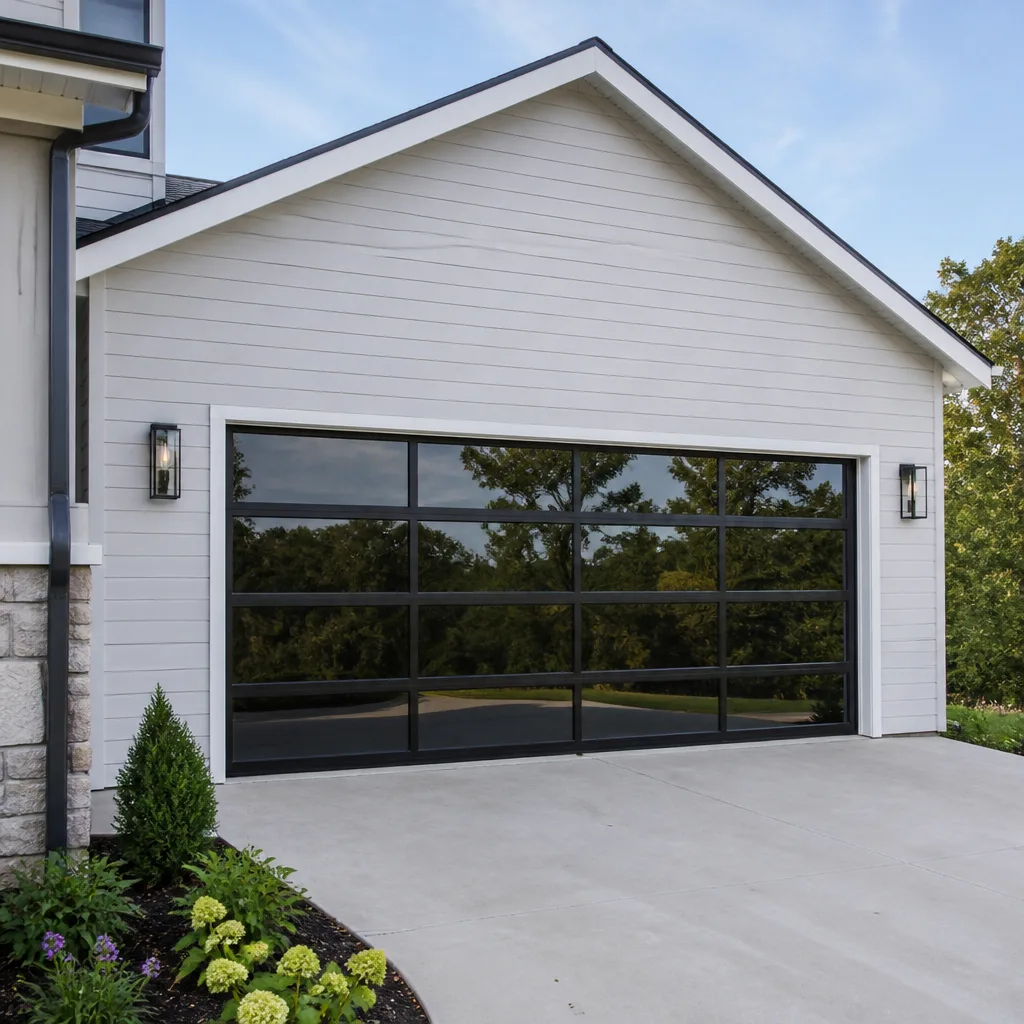 Full-view glass
 LiftMaster openers
 Chamberlain openers
Full 25-point door and opener safety check with every visit - springs, cables, rollers, tracks, and your LiftMaster or Chamberlain opener included
You get a price before we start. It does not change when the pro arrives.
Get your free estimateGarage Door Permits, Codes & Inspections in Tacony, PA: What You Need to Know
A new garage door feels like a straightforward swap. You pick a style, a crew hangs it, the door goes up and down, and the whole thing takes half a day. Then, three or four years later, a home inspector flags it as an unpermitted modification while you’re trying to sell. The buyer’s attorney asks for documentation that doesn’t exist, and a small weekend project turns into a closing delay nobody budgeted for.
That gap between what feels like a product swap and what Philadelphia’s codes actually treat as construction work is where most Tacony homeowners get stuck. This guide explains when a permit is required, where the “like-for-like replacement” line sits, how fire-rated requirements apply to attached garages in Tacony, what the inspection timeline looks like, and how to straighten out paperwork a previous owner never filed.
Quick Answer
A straight replacement of a garage door in Tacony with the same size, same material and same opening does not normally require a permit under Philadelphia’s building code. Adding a new opening, enlarging an existing one, replacing the door and opener together with structural changes to the header or framing, or working on the fire-rated separation between an attached garage and a living space does require a Philadelphia L&I permit and a later inspection. Spring replacement, opener replacement and routine repair are not permitted work at all. Always confirm with the city’s building department before work starts, because the final word on any specific job is theirs.
Styles & brands we work with
- Raised-panel steel
- Carriage house
- Modern flush
- Full-view glass
- LiftMaster openers
- Chamberlain openers
Table of Contents
- When does garage door work in Tacony require a Philadelphia L&I permit?
- What does “like-for-like replacement” really mean?
- Fire-rated garage doors and attached garages in Tacony
- How the inspection process works, start to finish
- Documenting permitted work for resale, and fixing old gaps
- What needs a permit and what doesn’t: a quick reference
- Common mistakes to avoid
- When to call a professional
When does garage door work in Tacony require a Philadelphia L&I permit?
Philadelphia’s Department of Licenses and Inspections (L&I) issues permits for construction work that changes, adds to, or structurally affects a building. A garage door replacement sits right on the boundary of that definition, and which side of the line your job lands on decides everything about how you plan it.
The clearest way to think about it: if the job touches the opening, the framing, the header, or the rated assembly around the door, expect a permit. If the job hangs a door into an existing opening that’s already built and checked, a permit is usually not the answer. Here is the working rule:
- Usually permitted: cutting a new opening, widening or raising an existing one, replacing structural framing or the header over the door, converting a solid wall to a garage door, changing the assembly that provides fire separation between an attached garage and the living space.
- Usually not permitted: swapping a door for one of the same size and type in the existing opening, replacing springs, changing openers, adjusting tracks, repairing cables, or replacing panels and hinges.
- Gray zone, verify with L&I: changing from a wood door to a steel door, adding a window row that changes the door’s weight, changing from a manual door to an automatic one, or using a manufacturer’s door and opener package in a fire-rated assembly.
Tacony’s housing stock makes this question come up a lot. Many of the row homes and twins built along Torresdale Avenue and the side streets around Disston Street have garages that were carved out long ago, some of them added after the house was first built. Once an opening has been cut or altered, the paper trail matters. If a previous owner’s converted garage is already sitting there without a permit on file, that history becomes your problem when you go to sell. Philadelphia records searches are not hard, but they’re a step nobody thinks to take until they’re under contract.
If the work is straightforward repair rather than construction, permitting doesn’t apply. Our garage door repair service handles the same-job tweaks, track resets, roller swaps and panel replacements that go along with normal wear. For anything structural, the crew will tell you to talk to the city before they start, because pulling a permit after the fact is much more painful than pulling it first.
What does “like-for-like replacement” really mean?
“Like-for-like” is the phrase that gets thrown around at the counter and in forum threads, and it gets misused. In plain terms, it means the new door is the same size, the same general material, in the same opening, with the same function as the door being removed. Same door opening in the same wall, same dimensions, same job the old door was doing.
Here’s where homeowners get tripped up. The door is “like-for-like” only if a few things stay fixed:
- Opening dimensions. The rough opening stays the same width and height. The same track and header stay in place.
- Material family. Replacing steel with steel, wood with wood, aluminum with aluminum. Going from a solid wood door to a lighter steel door is a substantial change to how the assembly behaves.
- Function. Manual stays manual, automatic stays automatic. Adding an opener to a door that never had one is closer to a modification than a replacement.
- The rated assembly. If the door is part of a fire-rated assembly (more on this next), the replacement door must carry the same rating, and that must be documented.
- No structural changes. No new framing, no new header, no widening or raising the opening.
Crossing any one of those five lines moves the work into permitted territory. And “I didn’t know” is not a defense the city accepts, nor is it something a buyer’s inspector cares about. In our experience, the confusion usually comes from the word “replacement.” Someone replaces a wood door with a heavier steel model from LiftMaster’s or Clopay’s catalog, the weight changes, the springs need upgrading, the opener needs sizing, and by the time it’s done it’s a different assembly than the one the house was built with. That’s fine to do. It’s just no longer a straight swap, and it needs to be treated as the job it actually is.
If you’re weighing a door change, our garage door installation team can walk through what qualifies and what doesn’t before you commit. That conversation costs you nothing and often saves the prospect of a paperwork problem at resale.
Fire-rated garage doors and attached garages in Tacony
This is the code point that gets skipped in almost every conversation about garage doors, and it matters most in Tacony because so many rows and twins here have attached or semi-attached garages. When a garage shares a wall or ceiling with living space, most building codes require a fire-rated separation between the two. That separation is not there by accident. It exists so that a fire starting in the garage doesn’t have a fast path into the house, and the door is one part of that barrier.
If your garage shares a wall with a bedroom, a kitchen or a hallway, the door itself may need to be a fire-rated door, and so may the wall assembly, the frame around the opening and the material above the door. In Tacony’s older rows, this is sometimes the case and sometimes not, depending on when the home was last modified and how. A door replacement in that situation is not just a cosmetic improvement. It’s a change to a fire separation that has to be done correctly, and it needs a permit even when the size matches.
Three practical consequences:
- The door has to match its rating. A rated assembly needs a rated door. Swapping a rated door for an unrated one breaks the barrier even if the door looks identical.
- The paperwork has to be there. Rated doors carry labels or documentation showing their rating. Removing the old door without photographing its label or noting its rating makes future buyers ask questions you can’t answer easily.
- The installer matters. Rated assemblies are only rated when they’re installed with the correct frame, seals, hinges and hardware. The work must be done as a system, not as a panel swap.
If you’re not sure whether your garage falls into the attached-garage category, stand in the garage and look at the walls. If any of them shares a wall with heated living space, treat the door as part of a fire separation until you’ve confirmed otherwise with the city. For homes in Tacony with garages fully detached out back, the fire separation question usually doesn’t come up, which is one of the ways a detached-garage job is simpler than the attached version.
Fire-rated doors are commonly branded in the Clopay, Wayne Dalton and Amarr families, and the right replacement usually has a rated equivalent in the current lineup. If you have an existing door in place, the crew can identify what’s actually there before any decision gets made.
How the inspection process works, start to finish
If the job does need a permit, plan for the process to take longer than the physical installation. The door itself usually goes in within a day. The permit and inspection steps are what stretch the timeline out, and skipping any step of them is where trouble starts. Here’s the usual shape of it:
- Confirm the scope with L&I. Before paper gets filed, describe the exact work to the city’s building department and confirm which permit type applies. This is the step most homeowners skip and it’s the one that catches mismatched applications.
- File the permit application. Provide the address, the scope of work, and any drawings the city asks for. For a garage door replacement that changes the assembly, expect it to be reviewed like other structural work, not like a small repair.
- Receive the permit. The permit itself names the scope that’s been approved. If the scope changes between the filing and the install, that has to be addressed before work starts, not afterward.
- Install with the permit on site. The permit and any approved plans need to be available for the installer and for the inspector, in case they ask.
- Request the inspection. Once the door is in, call for the inspection. The inspector checks that the installed work matches the permitted scope, that the framing around the opening (if the job touched it) is correct, and that fire separation is intact where it applies.
- Close the permit. When the inspection passes, the permit is closed and the record is filed with the city. That record is what eventually shows up in a title search.
For a Tacony homeowner, this usually means the door is measured and ordered well before the permit is pulled, and the install gets scheduled after the permit is in hand. Ordering first and permitting later is exactly the sequence that gets people stuck waiting on paperwork while the door sits in a warehouse. We build that into the schedule when a job reaches the permitting threshold. The conversation about a door replacement normally starts with a free measure and a written estimate; the permitting conversation and the installation order follow from there.
One practical note: the inspection is about the assembly, not the door’s look. The inspector is checking that the rough opening, the framing, the fastening and the rated assembly (where applicable) are correct. A door that works beautifully but sits in a wall that hasn’t been inspected is still an unpermitted job, and inspectors do not grade on charm.
How long does the permit and inspection take?
Philadelphia’s review timelines vary with the scope and workload of the L&I plan review queue, so any specific figure we give you would be a guess dressed up as a fact. What we can say is that the inspection itself usually follows a request with some scheduling lag, and the full sequence typically runs to weeks, not days. Building the permit timeline into your own schedule is what keeps a door replacement from becoming a scramble before a move.
Documenting permitted work for resale, and fixing old gaps
A closed permit is a record the city keeps. That record is what shows up in a title search or a buyer’s inspection report. An unpermitted modification also shows up, but as a gap, and gaps in a title search are a seller’s problem, not the city’s. In Tacony’s market, where houses turn over often and buyers have inspectors on speed dial, that gap is one of the fastest ways to get a sale renegotiated.
Here’s how to keep the record clean:
- Keep the permit and inspection documents. Store the approved permit, the inspection sign-off and any manufacturer’s documentation for the door and its rating in the same place as your deed and title papers.
- Photograph the installation. A photo of the door before, after and during the framing work is useful documentation if any question ever arises about what was permitted.
- Note the door’s rating on any rated assembly. Keep the label or a photo of it. That label is the record a future buyer’s inspector will look for.
- Update your records when you sell. Disclose any permitted work in your seller’s disclosure and provide the closing document if you have it.
What if a previous owner skipped the permit? This is common, and it’s fixable. The route is to find out what was actually done, what the city has on file, and then decide whether to file the permit retroactively or to remedy the work to match the permitted scope. L&I handles retroactive permitting for existing work, and the practical first step is a records search at the city so you know what’s on file. If the assembly is not compliant (an unrated door where a rated one is required, or a rough opening that’s been altered without documentation), a contractor will need to bring the work up to standard before anything can be filed.
An honest contractor will not promise a retroactive permit as a formality. It requires the actual assembly to be inspectable, and that sometimes means a door change is the cheaper fix. Walking through what’s on the wall now with someone who works on doors all day is a useful first move. Our Garage Door Repair Tacony team handles those visits with a written estimate in hand, and we’ll say clearly when a job is a paperwork problem rather than a door problem.
What needs a permit and what doesn’t: a quick reference
Use this as a starting point when you’re planning a job in Tacony. The city’s building department has the final word on any specific case; this table is meant to help you ask the right question rather than to replace the call.
- Spring replacement (torsion or extension): No permit. Repair work only. This is where our team spends more time than anywhere else because springs are a safety-critical component and a bad install is dangerous.
- Opener replacement or repair: No permit. See our garage door opener repair page for how that side of the door gets handled.
- Routine door repair (panels, hinges, rollers, tracks, cables): No permit. Ongoing wear and tear.
- Door replacement in an existing opening with the same size, material and function, no fire-rated assembly involved: Usually no permit, but confirm with L&I.
- Door replacement that changes the assembly, size, material or function: Permit required.
- Door replacement on an attached garage with a fire-rated separation: Permit required, and the rated assembly has to be maintained.
- New opening cut, existing opening widened or raised, framing or header changed: Permit and inspection required.
- Converting a wall, porch or non-garage space into a garage: Permit required, and likely drawings and structural review.
If you’re shopping for a brand and you’ve narrowed it down to Wayne Dalton, Craftsman, Raynor or LiftMaster, that’s a decision separate from permitting. The door choice affects weight, spring sizing and opener compatibility, not the permit category directly. The permit question is about what the assembly is and how the opening is built, which is why the site visit matters before the paperwork does.
Common Mistakes to Avoid
- Assuming “replacement” means no permit. The word replacement covers two very different jobs: a same-size swap in an existing opening, and a door change that alters the assembly. Assuming the first when you mean the second is the single most common way a small job becomes a resale problem.
- Changing the door material without checking the rated assembly. In Tacony’s attached-garage rows, swapping a rated wood door for a lighter steel one without confirming the rated equivalent breaks the fire separation. That’s not a cosmetic issue, and it’s not something an inspector will let pass at resale.
- Ordering the door before the permit is in hand. Permit review takes time. Ordering first, permitting later, means the door sits in a warehouse while you wait on the city, and the install schedule drifts.
- Not keeping the inspection paperwork. The permit and the inspection sign-off are the record. Losing them is almost as bad as never filing, because the file exists but nobody can produce it.
- Trusting a “we’ll handle the paperwork” promise from a generalist. Garage door permitting in Philadelphia is a narrow specialty. Make sure whoever is doing the work can actually pull and close a permit, not just say they will.
- Ignoring a previous owner’s unpermitted door. The problem sits quietly on the title until you sell. A records check at the city before you’re under contract lets you fix it on your own schedule instead of a buyer’s.
- Treating spring work as a permission question. Springs don’t require a permit, but they’re the most safety-critical part of the door. Never handle high-tension torsion springs yourself. Call a trained professional.
See the difference
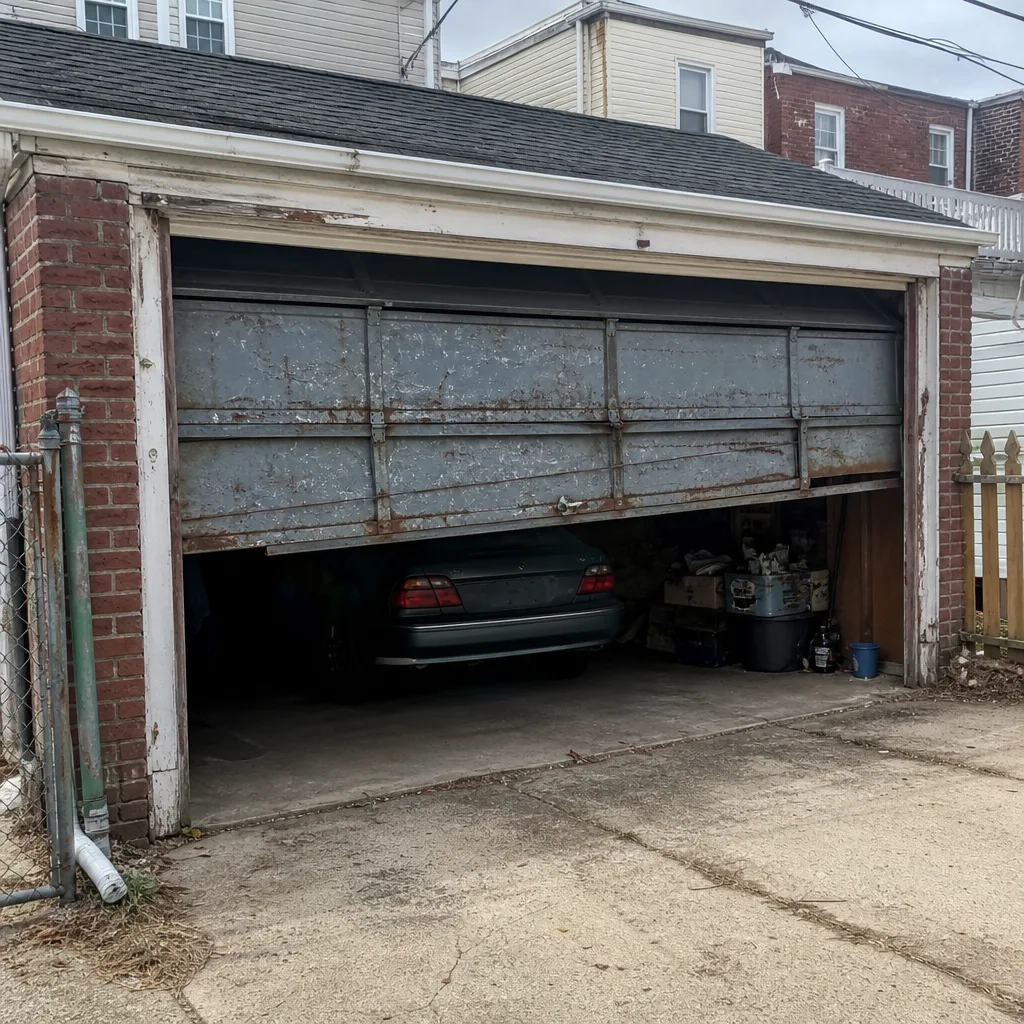 Before
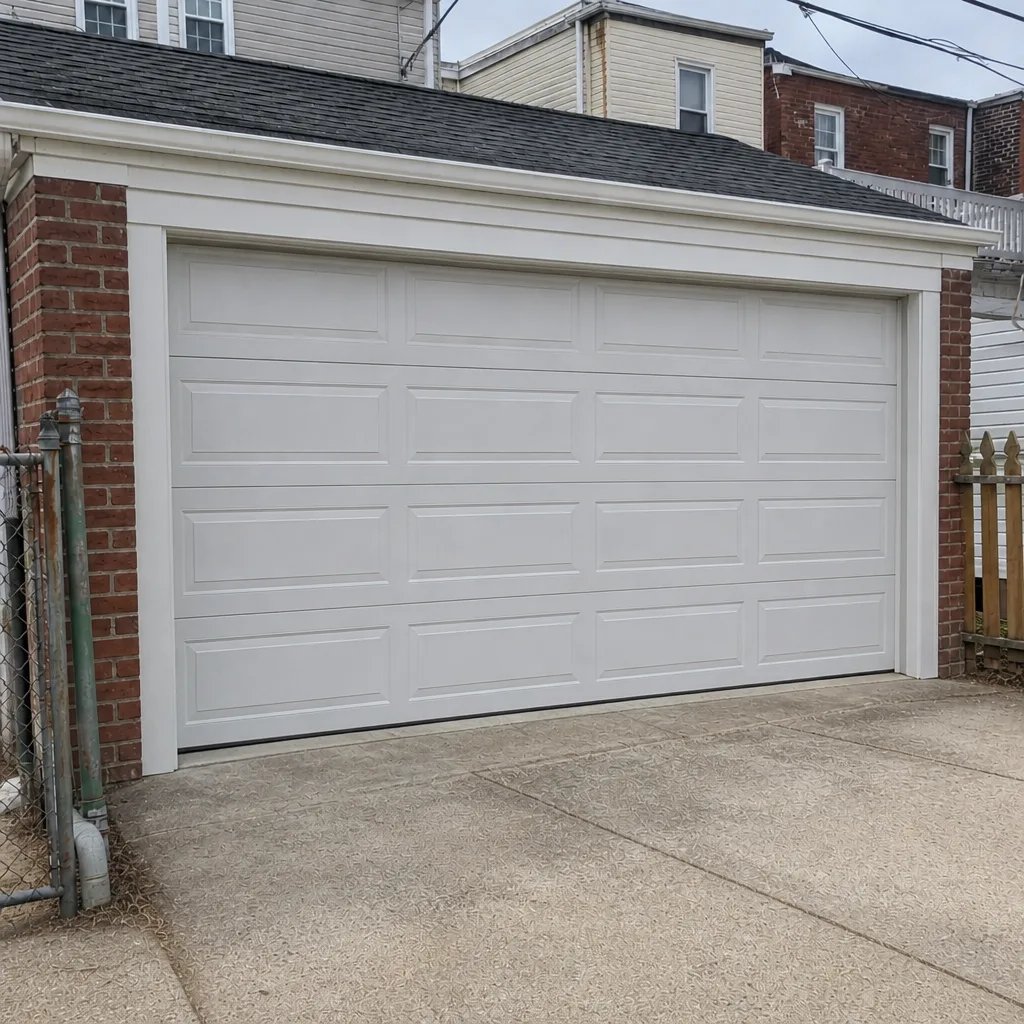 After
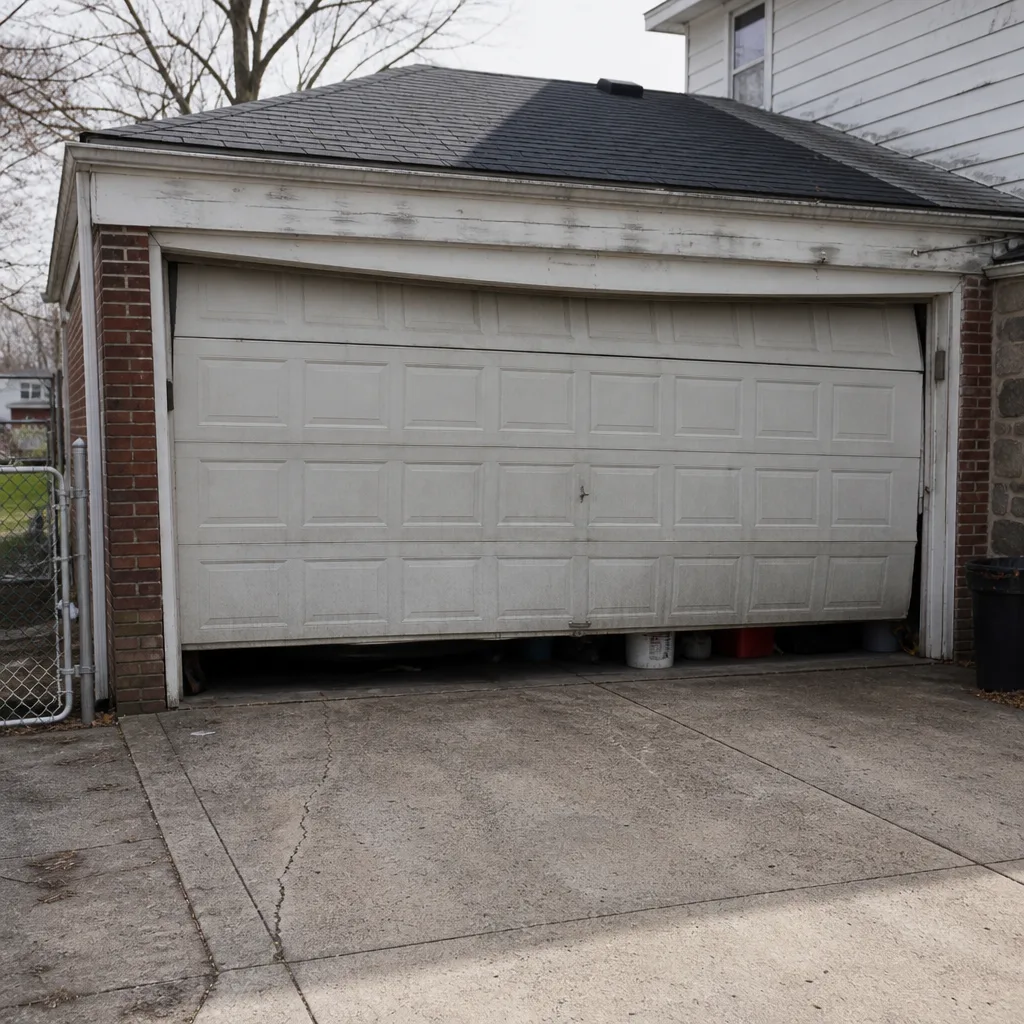 Before
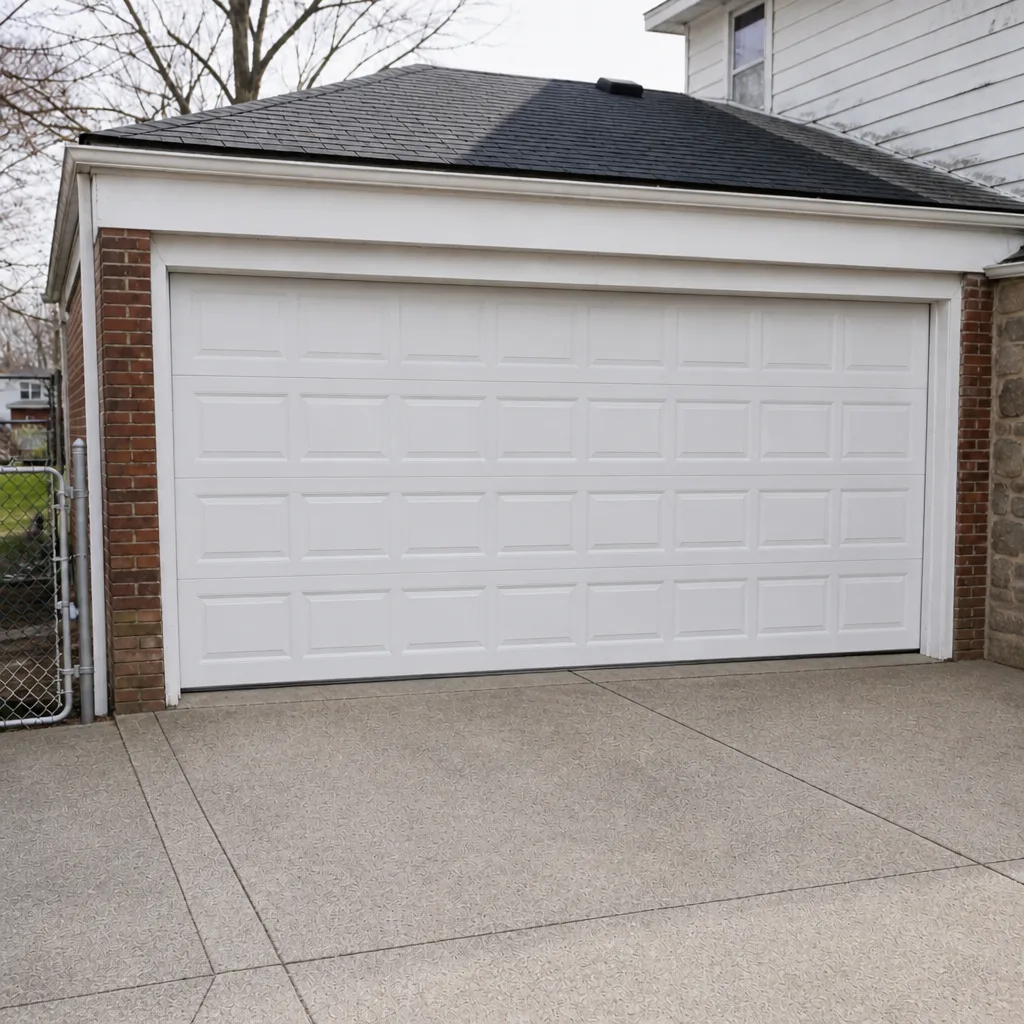 After
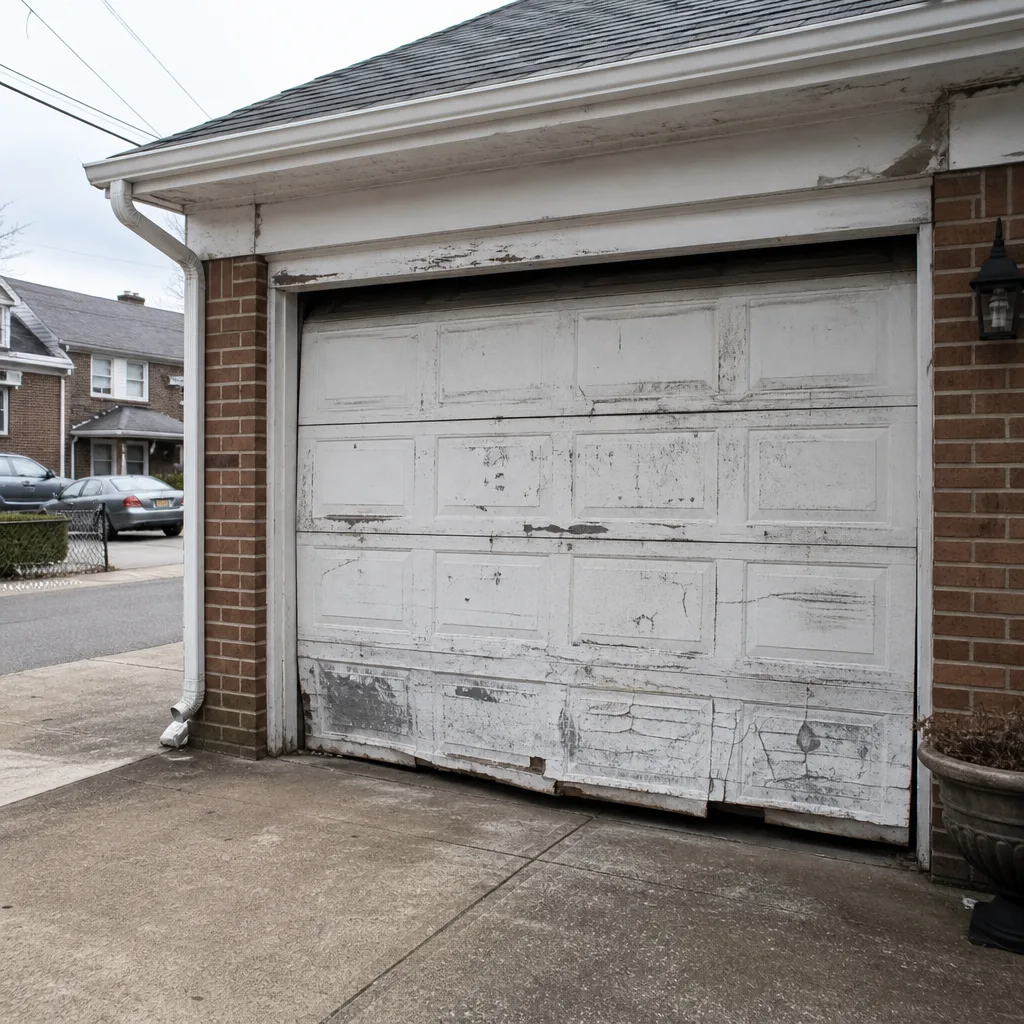 Before
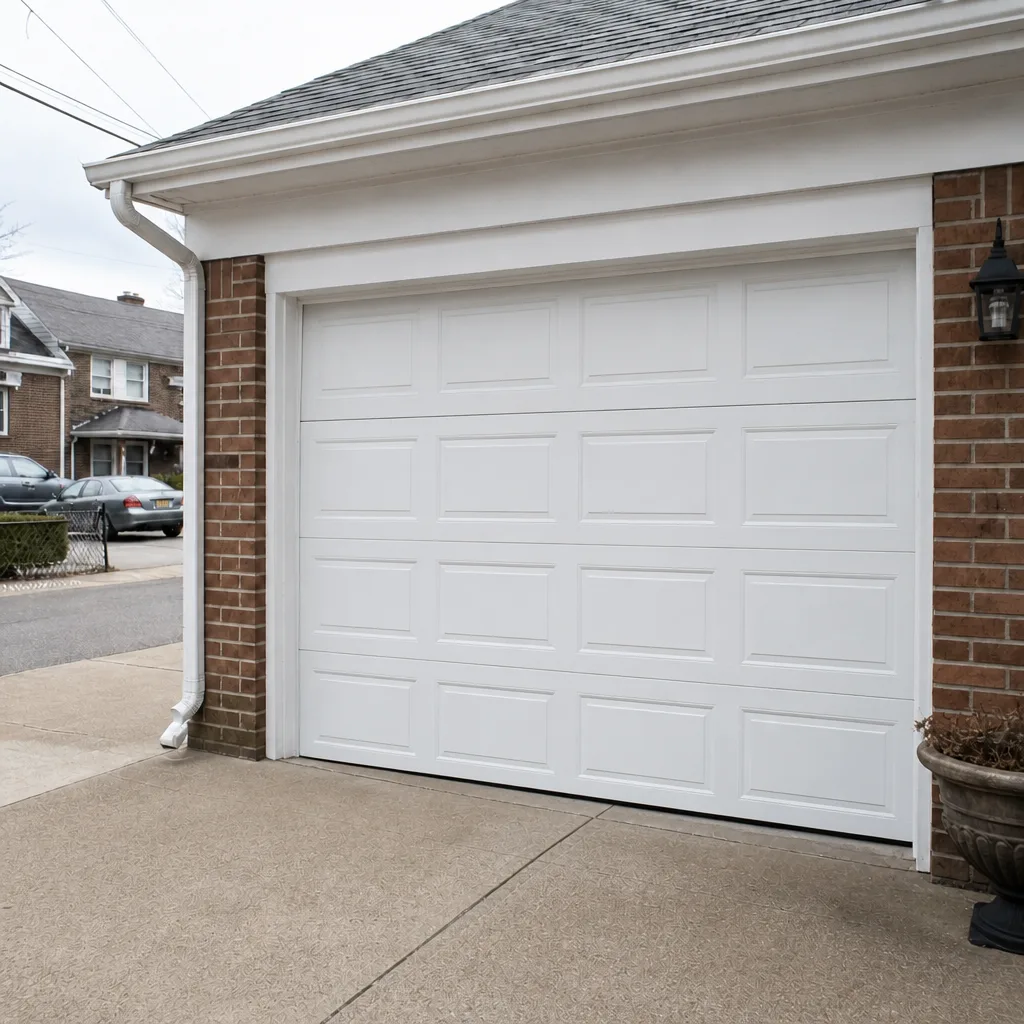 After
When to Call a Professional
The permitting decision depends on the actual assembly, so the smart move is to have someone who works on garage doors look at what’s there before any paperwork starts. Call us when you’re considering a door replacement and you’re not sure whether a permit applies, when you’re buying a Tacony home and a previous door modification looks undocumented, when a fire-rated door on an attached garage needs to change and you want to know the rated equivalent, or when the jobs on your list aren’t permitting questions at all but real repair work: a snapped spring, an opener that won’t respond, a door off its tracks. Our technicians have up to 10 years of experience with all of the major residential brands, and spring work is a named specialty here, not something we pass along to someone else.
Garage Door Repair Tacony offers free estimates in Tacony. Call (855) 707-5423. We answer 24/7. Fast dispatch from 7am to 7pm, Sunday through Friday, closed Saturday.
Frequently Asked Questions
A same-size, same-material, same-function replacement in an existing opening usually does not require a Philadelphia L&I permit, but a replacement that changes the assembly, the opening, the material or the fire-rated separation does. Confirm the scope of your specific job with the city’s building department before work begins, because their determination is the one that counts. If you want an installer’s read on the assembly first, call (855) 707-5423 and we’ll walk it through with you.
Yes, when a permit has been pulled for the work. The inspection verifies that the installed assembly matches the permitted scope, that the framing around the opening is correct where it’s been touched, and that fire separation is intact where it applies. Once the inspection passes, the permit is closed and the record is filed with the city. Skipping the inspection leaves the permit open and the work unpermitted in the city’s records.
Not unless the regular steel door carries the same rating. A fire-rated separation between an attached garage and living space depends on the door, the frame and the surrounding assembly all being rated together, so replacing a rated door with an unrated one breaks the barrier even if the door is the same size. The right move is to identify the current rating and use a door with a matching rating from the manufacturer’s lineup. Our team can identify what’s currently installed in a Tacony home before you buy anything.
Usually yes, but the route depends on what was actually done and what the city has on file for the address. Start with a records search at L&I. If the modification is already inspecting-ready, retroactive permitting may be available; if the assembly has been brought out of compliance, the work needs to be remedied first. Either way, having a contractor look at the door and the opening gives you a clear picture before you talk to the city.
No. Springs, openers, cables, rollers, tracks and hinge work are repair, not construction, and don’t require a Philadelphia permit. Some repairs are still dangerous. Torsion springs hold hundreds of pounds of tension and can cause serious injury when they release unexpectedly, so this is work for a trained technician. Our spring repair is a specialty, not a side job. If a spring has failed, call (855) 707-5423 and we’ll do everything we can to get it handled same-day.
No. The price is set by the written estimate and agreed before any work starts. That’s true for a spring repair, an opener swap or a door replacement. Permits, where required, are separate from the door work and are handled before installation, and the estimate makes clear what’s in scope so there are no surprises on the bill.
The Bottom Line
The permitting question in Tacony comes down to five things: the size of the opening, the material, the function, the framing around the door, and whether a fire-rated assembly is involved. If all five stay the same, you’re in familiar replacement territory and a permit is usually not needed. Change any of them and it’s permitted work with an inspection at the end. Spring, opener and repair work are never permitted, and the biggest gap we see is a Tacony homeowner who inherits an unpermitted door from a previous owner and discovers it at contract signing. A short call at the start, before the door is ordered and before the paperwork is skipped, is the difference between a clean record and a scramble. For a free estimate on the door side of any of this, we’re reachable at (855) 707-5423. We answer 24/7. Fast dispatch from 7am to 7pm, Sunday through Friday, closed Saturday. Your brand, our expertise, and the written estimate sets the price before work begins.
Written by the team at Garage Door Repair Tacony.